
Injection Moulding in Cosmetic Packaging
Injection Moulding in Cosmetic Packaging Read More »
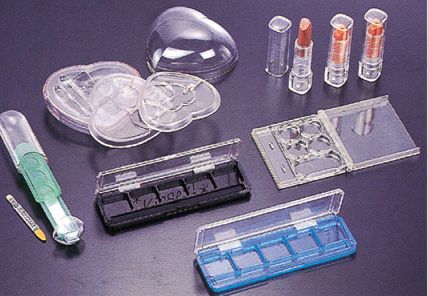
Injection moulding is a highly efficient and widely used manufacturing process in the cosmetic industry for creating precision plastic components. It involves injecting molten plastic material into a mold cavity where it cools and solidifies into the desired shape. This method is particularly valuable in the production of cosmetic packaging due to its scalability, design
Injection Moulding in Cosmetic Packaging Read More »
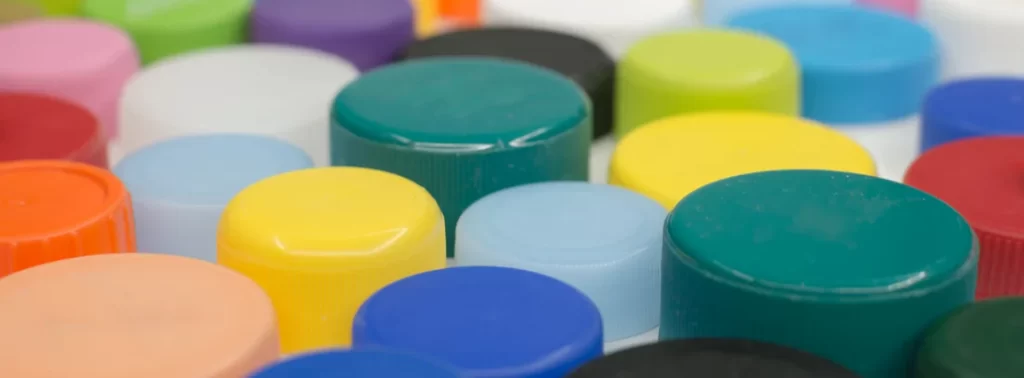
Caps and closures are essential components in the packaging industry, playing a crucial role in maintaining the integrity, safety, and longevity of a wide range of products. Whether used in food and beverages, pharmaceuticals, cosmetics, or household chemicals, these components are much more than just seals—they are fundamental to product preservation. 1. Protection Against Contamination
Role of Caps and Closures in Product Preservation Read More »
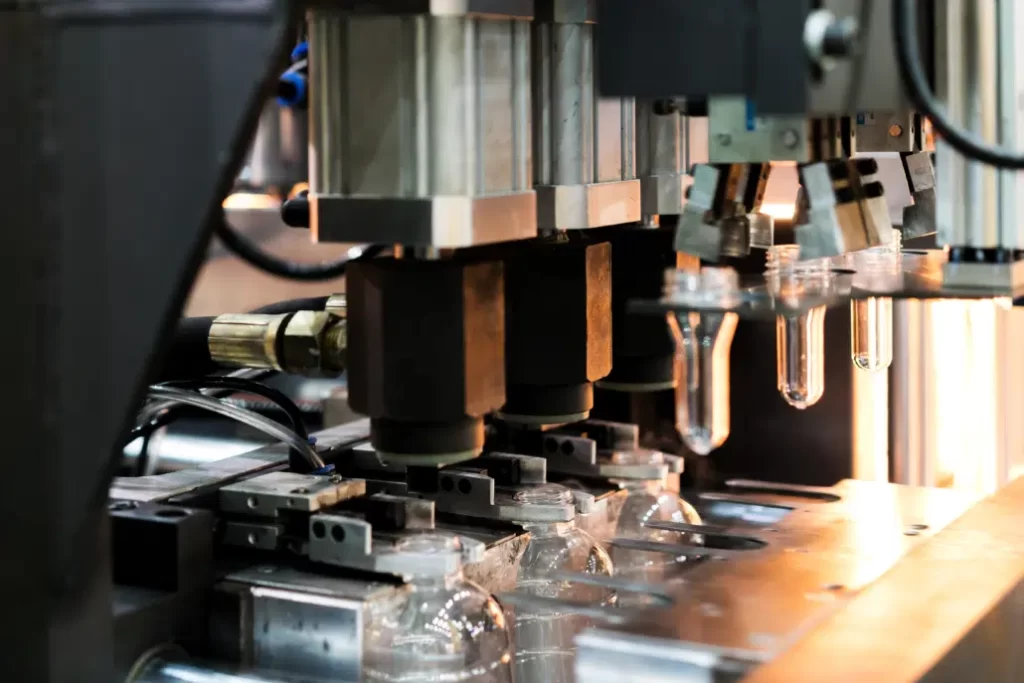
Injection Blow Moulding (IBM) is a manufacturing process used to produce hollow plastic objects, typically containers such as bottles and jars. It combines elements of injection moulding and blow moulding to form precision-engineered, high-quality plastic parts. The process is best suited for the production of small to medium-sized bottles, especially in the pharmaceutical, cosmetic, and
Injection Blow Moulding: Process and Applications Read More »

When manufacturing cosmetics like lipsticks, balms, foundation sticks, or solid perfumes, the choice of mould material plays a crucial role in product quality, efficiency, and overall production cost. Two of the most common materials used are silicone and metal. Each offers unique advantages and drawbacks depending on the application, batch size, and finish required. 1.
Silicone vs. Metal Moulds for Cosmetics Read More »

Caps and closures play a crucial role in packaging, preserving product integrity, preventing contamination, and ensuring safety. From pharmaceuticals to food and beverages, cosmetics, and household products, the choice of closure can significantly influence product usability, shelf life, and customer satisfaction. Below is an in-depth look at the various types of caps and closures used
Types of Caps and Closures: An In-Depth Overview Read More »
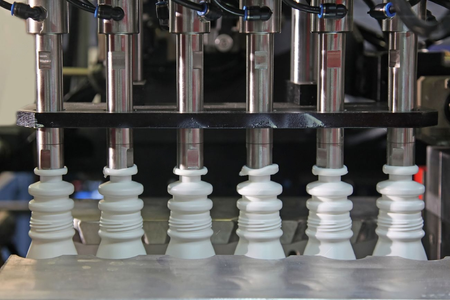
Sure! Here’s a step-by-step explanation of the Extrusion Blow Moulding (EBM) process, which is commonly used to manufacture hollow plastic parts like bottles and containers. Extrusion Blow Moulding Process: Step-by-Step 1. Plastic Melting (Extrusion) Raw material, typically in the form of plastic pellets (e.g., HDPE, PP), is fed into a hopper. The pellets are moved
Extrusion Blow Moulding Process: Step-by-Step Read More »

Cosmetic mould manufacturing is a critical process in the beauty and personal care industry, ensuring that packaging components such as lipstick tubes, compact cases, and mascara containers meet strict standards of precision, durability, and aesthetics. The choice of materials used in mould fabrication significantly influences the quality, lifespan, and efficiency of production. Below are the
Materials Used in Cosmetic Mould Manufacturing Read More »
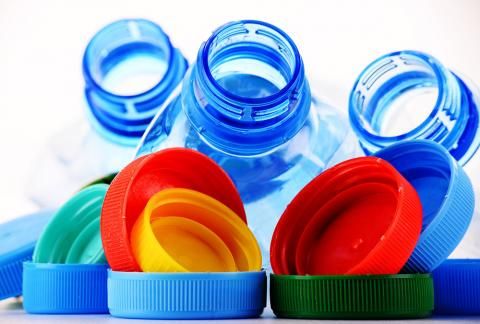
The caps and closures industry plays a crucial role in packaging, serving as a vital component across a wide range of sectors including food & beverages, pharmaceuticals, cosmetics, and household products. As global packaging needs evolve, the caps and closures market is experiencing significant shifts driven by sustainability, innovation, and regional consumption patterns. Below are
Global Market Trends in Caps and Closures Industry Read More »

Blow moulding is a plastic forming process used to manufacture hollow plastic parts such as bottles, containers, and tanks. This process relies on thermoplastics—plastics that become moldable when heated and solidify upon cooling. The selection of thermoplastics for blow moulding depends on factors like strength, flexibility, chemical resistance, transparency, and cost. 1. High-Density Polyethylene (HDPE)
Thermoplastics Used in Blow Moulding Read More »