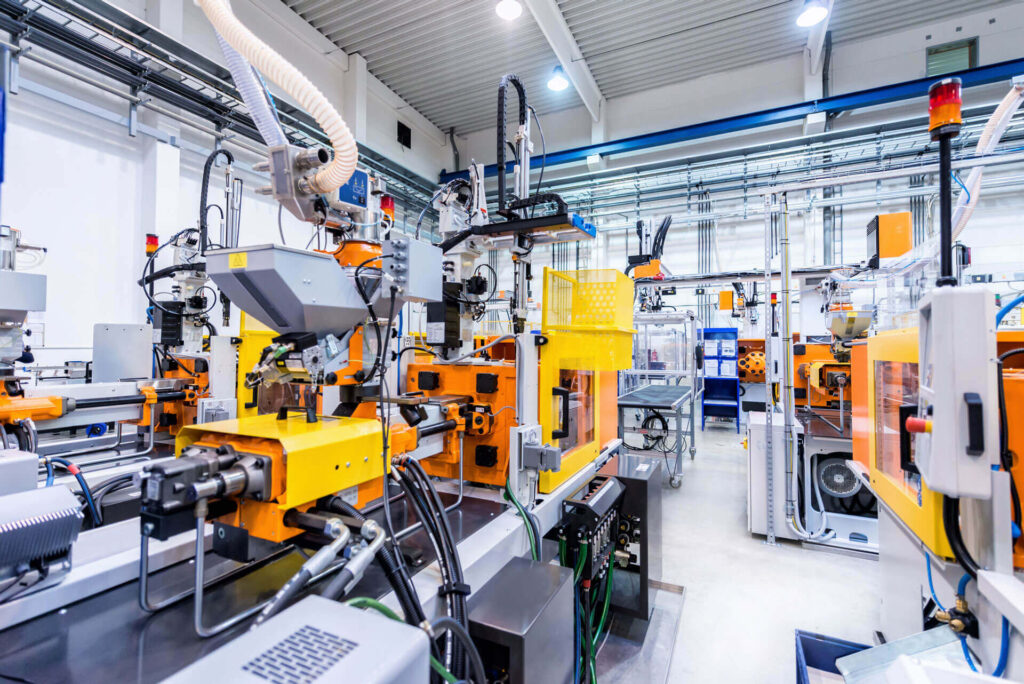
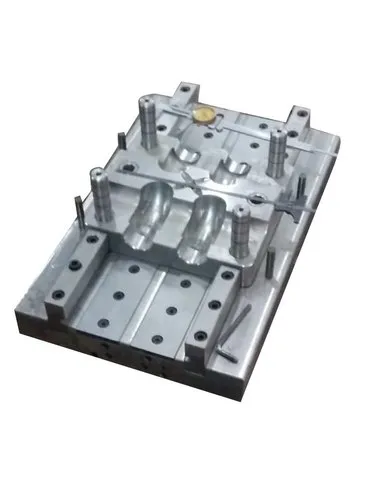
Injection molding is a widely used manufacturing process for producing plastic parts in high volumes. While it offers efficiency in mass production, the process is energy-intensive, especially during heating, cooling, and machine operation. Implementing energy-efficient practices in injection molding not only reduces operational costs but also minimizes environmental impact and supports sustainable manufacturing goals.
1. Use of Energy-Efficient Equipment
Modern injection molding machines come with advanced energy-saving technologies. The key upgrades include:
Electric or Hybrid Machines: Compared to traditional hydraulic machines, all-electric injection molding machines consume significantly less energy, offer more precise control, and require less maintenance.
Servo-Driven Hydraulics: These systems adjust power usage based on demand rather than running continuously at full capacity, resulting in substantial energy savings.
2. Process Optimization
Fine-tuning the injection molding process parameters can reduce cycle times and energy use:
Cycle Time Reduction: Optimizing mold design and cooling time can drastically reduce cycle duration, leading to lower energy consumption per part.
Temperature Control: Using the lowest acceptable melt and mold temperatures helps reduce energy use in heating and cooling.
Efficient Barrel Heating: Utilizing ceramic heaters or induction heating systems increases heat retention and lowers energy waste.
3. Insulation and Heat Management
Managing heat effectively prevents energy loss:
Barrel and Mold Insulation: Insulating these components can minimize heat loss and reduce the energy required to maintain processing temperatures.
Closed-Loop Temperature Control Systems: These systems help maintain precise temperature settings with minimal energy use, improving part quality and efficiency.
4. Maintenance and Calibration
Regular maintenance ensures machines run at peak efficiency:
Lubrication and Calibration: Keeping machines well-lubricated and properly calibrated reduces friction and energy demand.
Leak Prevention: Addressing hydraulic and air leaks promptly helps avoid unnecessary energy loss.
5. Material Management
Efficient material usage indirectly saves energy:
Recycled Material Use: Incorporating regrind or recycled material reduces the energy required to produce virgin plastic.
Drying Efficiency: Plastic resins often require drying before molding. Using energy-efficient dryers, such as desiccant dryers with closed-loop air systems, can significantly lower power usage.
6. Automation and Smart Technologies
Adopting Industry 4.0 technologies enables smarter energy use:
Energy Monitoring Systems: Real-time monitoring helps identify high energy consumption points and allows for corrective actions.
Predictive Maintenance: Using sensors and analytics to predict wear and tear helps prevent energy waste due to inefficient machine operation.
7. Facility-Wide Energy Management
Beyond the machines themselves, plant-wide practices also contribute to energy efficiency:
LED Lighting and HVAC Efficiency: Upgrading facility lighting and optimizing HVAC systems can cut total energy use.
Energy Audits: Regular audits help identify hidden inefficiencies and areas for improvement across the production floor.
Conclusion
Energy-efficient practices in injection molding are no longer optional—they’re essential for reducing costs, meeting regulatory requirements, and advancing sustainability. By combining modern technology, optimized processes, and a culture of continuous improvement, manufacturers can significantly reduce their environmental footprint while enhancing productivity and profitability.