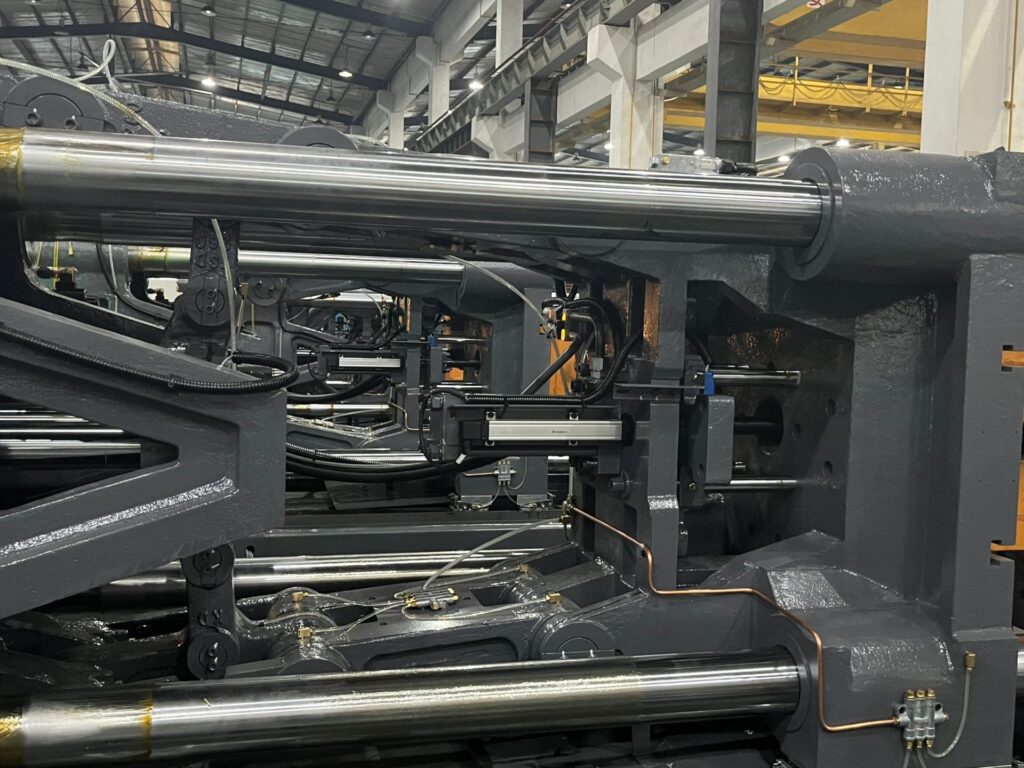
Injection molding is a highly efficient and widely used method for producing complex plastic parts in large volumes. However, when scaled up for mass production, manufacturers often face several unique challenges. These issues can impact product quality, cost-efficiency, and production timelines.
1. High Initial Tooling Costs
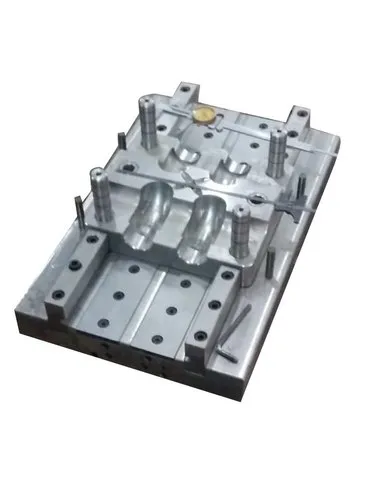
One of the most significant barriers in large-scale injection molding is the cost of mold creation. High-precision molds made from hardened steel or aluminum are expensive and time-consuming to manufacture.
Challenge: Upfront capital investment can be substantial, especially for multi-cavity molds.
Impact: Longer ROI periods and increased risk if design changes are needed post-production.
2. Mold Wear and Maintenance
With high-volume production, molds are subject to wear over time, especially when used with abrasive or filled materials.
Challenge: Frequent maintenance or retooling is needed to preserve dimensional accuracy and surface finish.
Impact: Downtime and increased operational costs.
3. Quality Control and Consistency
Maintaining uniformity across thousands or millions of parts is a complex task. Factors like temperature fluctuations, injection speed, and material consistency can affect the final product.
Challenge: Variations can lead to warping, sink marks, flash, or short shots.
Impact: Increased scrap rates and rework, affecting delivery timelines.
4. Cycle Time Optimization
In mass production, even minor inefficiencies in cycle time can have major consequences.
Challenge: Reducing cooling and injection times without compromising part quality is difficult.
Impact: Suboptimal cycle times can lead to bottlenecks and reduced throughput.
5. Material Handling and Logistics
Managing raw material input and finished product output becomes complex at scale.
Challenge: Ensuring consistent material quality, avoiding contamination, and efficiently handling large volumes.
Impact: Production interruptions and increased material waste.
6. Design for Manufacturability (DFM)
Scaling up often reveals design flaws not apparent in prototypes or low-volume runs.
Challenge: Inadequate draft angles, wall thickness inconsistencies, or complex geometries can hinder mold filling and ejection.
Impact: Redesigns, increased costs, and delays.
7. Environmental and Regulatory Concerns
Sustainability and compliance with environmental regulations are increasingly important.
Challenge: Managing waste, emissions, and energy consumption in large-scale operations.
Impact: Need for investment in cleaner technologies and adherence to evolving standards.
8. Automation Integration
Large-scale injection molding often requires automation for part handling, quality inspection, and packaging.
Challenge: Integrating robotics and automation systems without disrupting the process.
Impact: High setup costs and technical challenges with system integration.
Conclusion
While injection molding is well-suited for large-scale production, it comes with its own set of technical, economic, and logistical challenges. Overcoming these requires careful planning, investment in high-quality tooling, robust process controls, and a strong focus on continuous improvement. Addressing these hurdles early on ensures smoother operations, consistent product quality, and overall manufacturing efficiency.