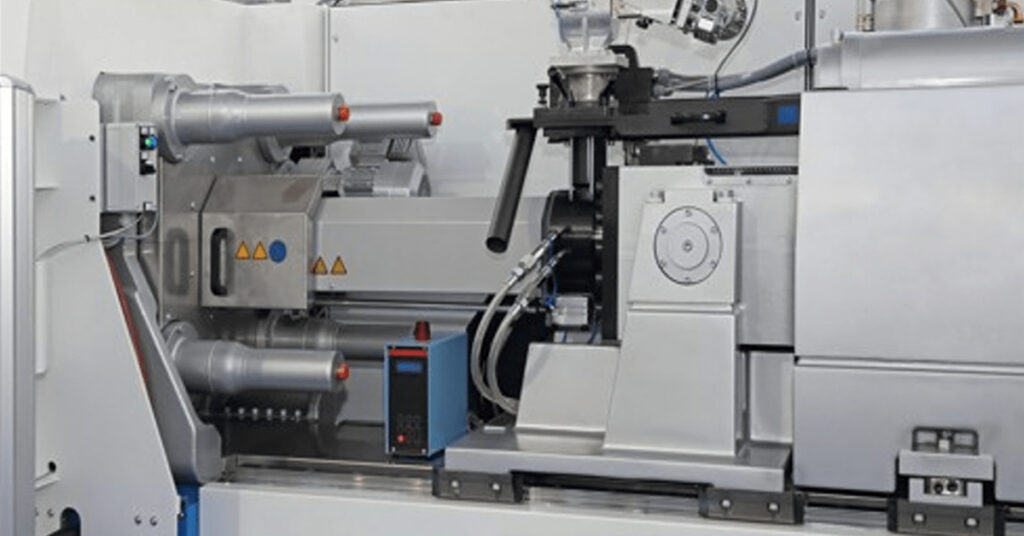
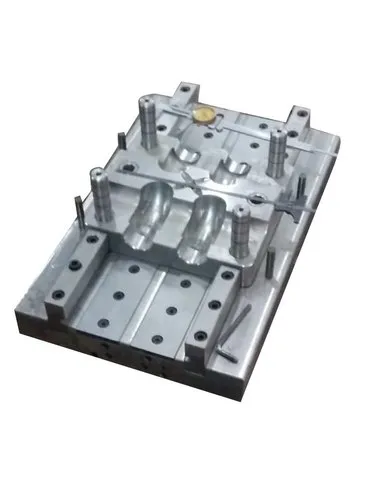
The automotive industry is undergoing a rapid digital transformation, and one of the most groundbreaking technologies driving this change is Digital Twin. In the realm of automotive mold design, Digital Twin technology is redefining how manufacturers conceptualize, simulate, validate, and refine mold designs, leading to faster production cycles, higher precision, and reduced costs.
What is Digital Twin Technology?
A Digital Twin is a virtual replica of a physical product, process, or system. It is continuously updated using real-time data and integrates technologies like IoT, AI, simulation, and analytics to mirror the behavior and performance of its real-world counterpart.
In mold design, a digital twin models the geometry, material behavior, manufacturing process, and operational conditions of the mold used for creating automotive parts.
Applications in Automotive Mold Design
1. Design Validation and Optimization
Digital twins allow engineers to simulate mold designs before physical creation. This enables:
Prediction of material flow during injection molding
Early detection of potential defects (e.g., air traps, weld lines)
Optimization of cooling systems to prevent warping and shrinkage
2. Real-Time Monitoring and Feedback
Once the mold is in use, sensors can provide real-time data (temperature, pressure, cycle time), which is fed back into the digital twin. This helps in:
Detecting anomalies in production
Performing predictive maintenance
Optimizing production parameters
3. Shortening Development Cycles
Traditional mold design often involves multiple prototyping stages. Digital twins reduce or eliminate these iterations by enabling:
Virtual prototyping
Faster design modifications based on simulation results
Collaboration between cross-functional teams through shared digital models
4. Enhanced Quality Control
By simulating the entire molding process, manufacturers can ensure that parts meet strict automotive quality standards. The digital twin can:
Predict tolerances and deformations
Support zero-defect manufacturing initiatives
Trace defects to their root cause using process history
5. Cost Reduction and Sustainability
Less material wastage due to accurate first-time-right designs
Reduced energy consumption through optimized process parameters
Lower maintenance costs via condition-based monitoring
Key Technologies Enabling Digital Twins in Mold Design
Computer-Aided Design (CAD) and Finite Element Analysis (FEA)
IoT sensors for collecting mold and process data
Simulation software for injection molding processes (e.g., Moldflow, SIGMASOFT)
AI & Machine Learning for data analysis and predictive modeling
Cloud platforms for real-time collaboration and data storage
Case Study Example
A leading automotive supplier integrated digital twin technology in the design of a complex dashboard mold. By simulating the mold performance and incorporating sensor feedback:
Cycle time was reduced by 20%
Scrap rate decreased by 30%
Time to market was shortened by 25%
Challenges and Considerations
High initial investment in software and training
Data integration from various systems and sensors
Cybersecurity concerns due to cloud and IoT integration
Need for interdisciplinary skills (mechanical, electrical, software)
Conclusion
Digital Twin technology is revolutionizing automotive mold design by offering a powerful platform for simulation, optimization, and real-time monitoring. It bridges the gap between the physical and digital worlds, enabling smarter decision-making, improved product quality, and more efficient manufacturing. As adoption continues to grow, it will become a cornerstone of intelligent automotive manufacturing.