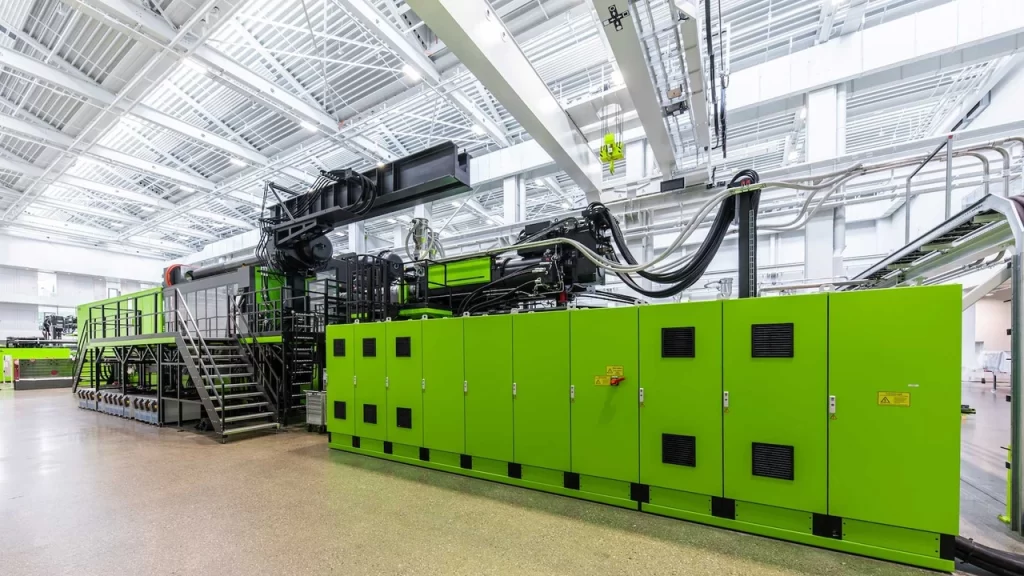
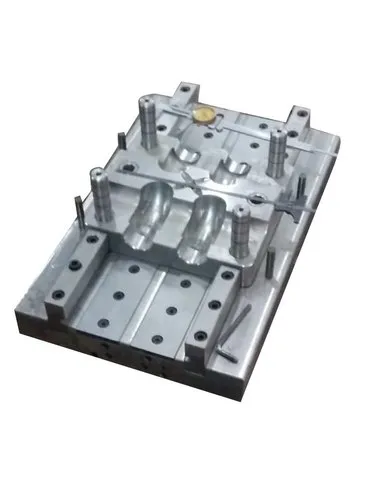
Injection molding has long been a cornerstone of plastic manufacturing, producing everything from automotive parts to consumer electronics. However, the environmental impact of traditional injection molding—particularly energy consumption, emissions, and plastic waste—has prompted the industry to explore more sustainable solutions. This has led to the emergence of several eco-friendly innovations in injection molding machines. Below is a breakdown of the key advancements shaping a greener future for this essential manufacturing process.
1. All-Electric Injection Molding Machines
Traditional hydraulic machines use large amounts of oil and energy. In contrast, all-electric injection molding machines operate without hydraulic fluid, significantly reducing environmental contamination risks and improving energy efficiency.
Benefits:
Up to 70% less energy consumption compared to hydraulic machines
Quieter operation and cleaner production environments
Greater precision and reduced material waste
2. Hybrid Injection Molding Technology
Hybrid machines combine the precision of electric drives with the power of hydraulic systems. This blend provides energy efficiency without sacrificing performance in high-pressure applications.
Benefits:
Optimized energy use for complex parts
Lower carbon footprint than full hydraulic machines
Ideal for manufacturers transitioning toward greener operations
3. Servo-Driven Hydraulic Systems
For companies not ready to switch fully to electric machines, servo-driven hydraulic systems are a viable intermediate solution. These systems adjust energy use in real time based on load demands.
Benefits:
Up to 60% energy savings over traditional hydraulics
Improved accuracy and cycle times
Reduced heat generation and cooling requirements
4. Biodegradable and Recycled Material Compatibility
Modern eco-friendly machines are increasingly capable of processing biodegradable polymers (like PLA and PHA) and high percentages of recycled plastics. These materials help reduce reliance on virgin petroleum-based resins.
Benefits:
Lower lifecycle environmental impact of products
Enhanced compatibility with circular economy initiatives
Supports production of sustainable packaging and consumer goods
5. Closed-Loop Process Monitoring and AI Integration
Smart injection molding machines utilize sensors and AI algorithms to optimize energy use, monitor emissions, and reduce waste in real time.
Benefits:
Predictive maintenance extends machine life
Optimized cycle times reduce power consumption
Minimization of defective parts and associated waste
6. Energy Recovery Systems
Some advanced machines feature energy recovery systems that capture and reuse energy generated during machine braking or clamping operations.
Benefits:
Reduced net energy use
Improved sustainability metrics
Lower operating costs over time
7. Modular and Retrofittable Designs
Eco-friendly machines are being designed with modular components that can be easily upgraded or replaced without discarding the entire system.
Benefits:
Extended machine lifespan
Less industrial waste
Flexibility to adopt new green technologies as they emerge
Conclusion
Eco-friendly injection molding innovations are not just about reducing environmental impact—they also offer manufacturers cost savings, improved product quality, and a competitive edge in increasingly sustainability-conscious markets. As regulatory pressures and consumer demand for sustainable products continue to rise, embracing these green technologies will be key to future-proofing the injection molding industry.