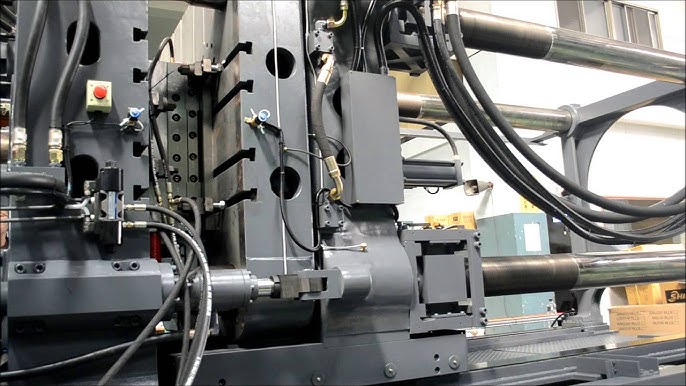
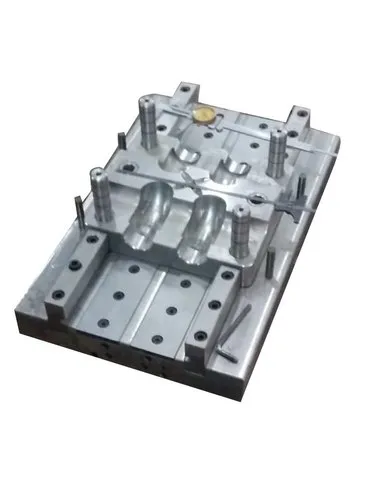
PVC (Polyvinyl Chloride) is a widely used thermoplastic polymer in various industries, including automotive, construction, healthcare, and consumer goods. The injection molding process is crucial for manufacturing PVC products with precision and consistency. However, traditional PVC injection molding machines can be energy-intensive, leading to high operational costs and environmental concerns. As a result, the industry is moving towards energy-efficient PVC injection molding machines to promote sustainability and cost-effectiveness.
What Makes a PVC Injection Molding Machine Energy-Efficient?
Servo Motor Systems
Energy-efficient machines often use servo motors instead of traditional hydraulic systems. Servo motors provide precise control over the machine’s movements, reducing energy consumption by up to 60% compared to conventional machines.Variable Frequency Drives (VFD)
These systems adjust the motor speed according to the load requirement, significantly minimizing power waste during idle or low-load operations.Optimized Heating Systems
Advanced machines utilize induction or infrared heating systems that reduce thermal loss, enhancing heating efficiency and lowering electricity usage.Smart Control Systems
Modern machines incorporate intelligent controllers with real-time monitoring and auto-adjustment capabilities. These systems optimize cycle times, reduce downtime, and improve overall energy management.Efficient Cooling Mechanisms
Integrated cooling systems, such as closed-loop water cooling or optimized fan cooling, help maintain machine temperature without excessive energy use.
Benefits of Using Energy-Efficient Machines
Reduced Operational Costs: Significant savings on energy bills over the machine’s lifecycle.
Lower Carbon Footprint: Contributes to corporate sustainability goals by minimizing greenhouse gas emissions.
Improved Productivity: Faster cycle times and precise control improve output quality and quantity.
Extended Machine Life: Reduced mechanical stress and optimized operation prolong equipment lifespan.
Regulatory Compliance: Helps meet increasing environmental regulations and energy standards.
Applications of PVC Injection Molding
Energy-efficient machines are used to manufacture a wide range of PVC-based products, including:
Electrical conduits and fittings
Window and door profiles
Medical tubing and devices
Automotive interior components
Plumbing pipes and connectors
Choosing the Right Energy-Efficient PVC Injection Molding Machine
When selecting a machine, consider the following:
Clamping force and shot size requirements
Compatibility with PVC-specific processing needs (e.g., corrosion-resistant components)
Energy efficiency certifications or ratings
Maintenance and support services
Automation and integration capabilities
Conclusion
Energy-efficient PVC injection molding machines represent a vital advancement in plastic manufacturing, merging environmental responsibility with operational efficiency. By investing in such technology, manufacturers not only cut costs but also contribute to a more sustainable future. The transition to energy-efficient solutions is not just an industry trend—it’s a strategic imperative for modern production.