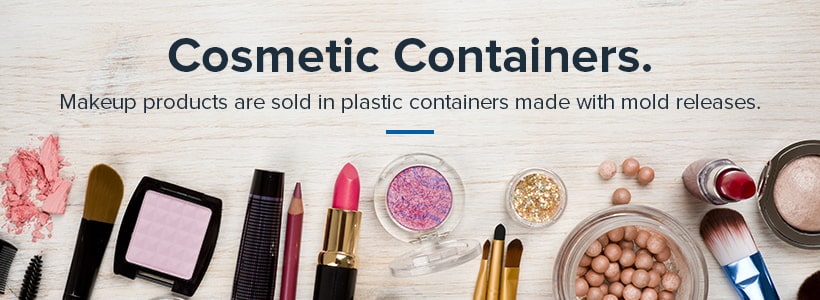
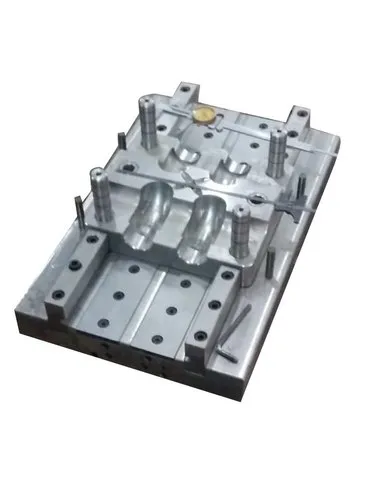
Cosmetic mould manufacturing is a critical process in the beauty and personal care industry, ensuring that packaging components such as lipstick tubes, compact cases, and mascara containers meet strict standards of precision, durability, and aesthetics. The choice of materials used in mould fabrication significantly influences the quality, lifespan, and efficiency of production. Below are the primary materials used in cosmetic mould manufacturing:
1. Tool Steel
Tool steels are the most common material used in mould making due to their exceptional hardness, wear resistance, and ability to retain shape under high temperatures.
Common Grades:
P20 Steel: Pre-hardened tool steel, ideal for medium-production runs.
H13 Steel: Air-hardened hot work steel with excellent thermal fatigue resistance, suitable for high-temperature operations.
S7 Steel: Shock-resistant tool steel, used in moulds subject to impact or high stress.
Advantages:
High strength and durability
Good machinability and polishability
Resistant to deformation under pressure
2. Stainless Steel
Stainless steel is often chosen for cosmetic moulds where corrosion resistance and a high-quality surface finish are crucial, especially in humid or chemically reactive environments.
Types:
420 Stainless Steel: Offers good hardness and excellent polish, commonly used for precision components.
316 Stainless Steel: Provides higher corrosion resistance, used in specialized moulds where chemical exposure is high.
Advantages:
Excellent corrosion resistance
High surface quality for aesthetic moulding
Easy to clean and maintain
3. Aluminum
Aluminum is used for prototyping and short production runs due to its lightweight and easy machinability.
Applications:
Prototype moulds
Low-volume cosmetic packaging
Moulds requiring fast turnaround
Advantages:
Faster machining and lower cost
Good thermal conductivity for rapid cooling
Lightweight, reducing machine wear
Limitations:
Lower wear resistance compared to steel
Not suitable for long production cycles
4. Beryllium Copper (BeCu)
Beryllium copper is used in specific parts of cosmetic moulds, especially for its superior thermal conductivity and strength.
Applications:
Inserts and cores where rapid heat dissipation is required
Areas with complex geometries or thin wall sections
Advantages:
Excellent heat transfer for reduced cycle times
High strength and dimensional stability
Good corrosion resistance
5. Nickel Alloys
Used in niche applications, nickel alloys can provide resistance to extreme corrosion or high wear, particularly in environments with aggressive chemicals or where extended tool life is essential.
Factors Influencing Material Selection
Several considerations determine the choice of material for a cosmetic mould:
Production Volume: Higher volumes require more durable materials like hardened tool steel.
Type of Plastic Used: Some plastics are more abrasive or corrosive, requiring compatible mould materials.
Surface Finish Requirements: High-end cosmetic products often require glossy finishes, necessitating highly polishable materials.
Cost vs. Longevity: Balancing upfront material costs with long-term durability and maintenance.
Conclusion
The success of cosmetic product packaging relies heavily on the precision and quality of the moulds used in production. Selecting the right material—be it robust tool steel for durability, stainless steel for corrosion resistance, or aluminum for rapid prototyping—plays a vital role in achieving the desired balance between performance, cost, and product aesthetics. Understanding these materials helps manufacturers make informed decisions that enhance productivity and maintain high-quality standards in the cosmetic industry.