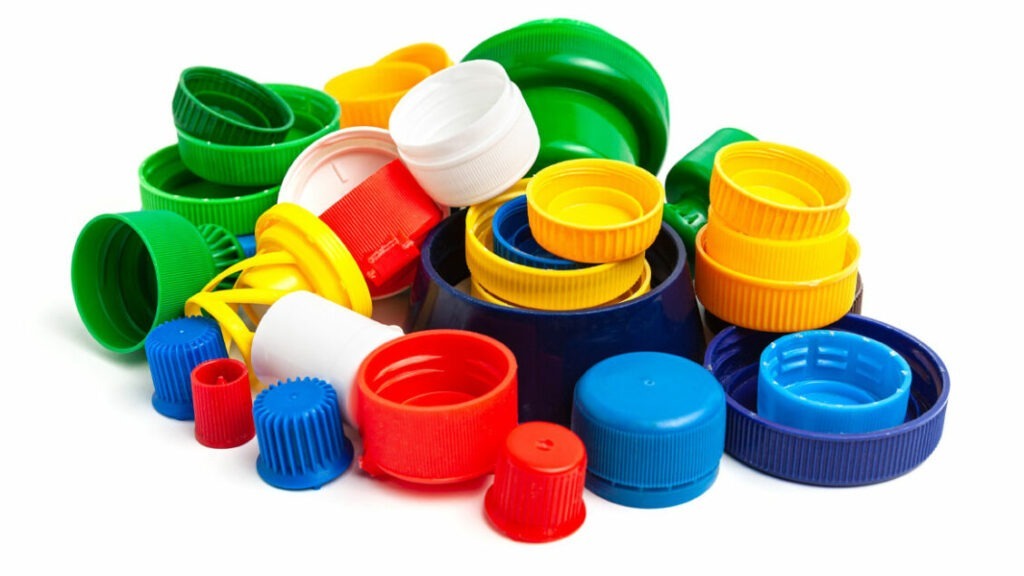
Caps and closures play a vital role in the beverage industry, ensuring product safety, extending shelf life, and enhancing consumer convenience. These components are not just protective seals—they also serve as branding tools and functional enablers that impact packaging efficiency and sustainability.
2. Functions of Caps and Closures
Sealing and Protection: Prevent leakage and contamination.
Preservation: Maintain carbonation, flavor, and freshness.
Tamper Evidence: Provide visible signs of opening for consumer safety.
Convenience: Enable easy opening and resealing.
Branding and Aesthetics: Serve as a platform for logos, colors, and design elements.
3. Types of Caps and Closures
a. Screw Caps
Most common type, especially for plastic bottles.
Made from plastic (polypropylene or polyethylene).
Used in soft drinks, water bottles, juices.
b. Crown Caps
Metal caps sealed with crimping.
Commonly used for glass beer and soda bottles.
Provide excellent carbonation retention.
c. Snap-On Caps
Designed for quick application and removal.
Used for single-serve or ready-to-drink beverages.
d. Sports Caps and Push-Pull Closures
Feature ergonomic designs for on-the-go use.
Popular in energy drinks and water bottles.
e. Aseptic and Induction Seals
Provide sterile sealing for extended shelf life.
Used in juice and dairy-based drinks.
4. Materials Used
Plastics: PP, HDPE, LDPE – lightweight, durable, and cost-effective.
Metal: Steel or aluminum – ideal for pressurized or premium beverages.
Bioplastics and Compostables: Emerging sustainable alternatives.
5. Manufacturing and Design Considerations
Injection Molding: Most common process for plastic caps.
Liner Integration: Some caps include liners for better sealing.
Customization: Embossing, color variations, and smart features like QR codes.
6. Sustainability Trends
Lightweighting: Reducing material use without compromising strength.
Recyclability: Caps designed to stay attached to bottles (as per EU regulations).
Use of Recycled Content: Increasing adoption of rPET and recycled HDPE.
Biodegradable Caps: Innovations targeting eco-conscious consumers.
7. Regulatory and Safety Aspects
Compliance with food-grade material standards (FDA, EU).
Child-resistant and tamper-evident requirements for specific beverages.
Adherence to circular economy goals and Extended Producer Responsibility (EPR).
8. Future Trends
Smart Closures: NFC-enabled caps for product authenticity and engagement.
Customization for E-commerce: Leak-proof and durable closures for online distribution.
Global Standardization: Push toward universal design and recyclability norms.
Conclusion
Caps and closures are more than just packaging components in the beverage industry—they are integral to ensuring safety, user experience, and brand differentiation. As consumer preferences shift and sustainability becomes central, innovation in this space will continue to evolve rapidly.