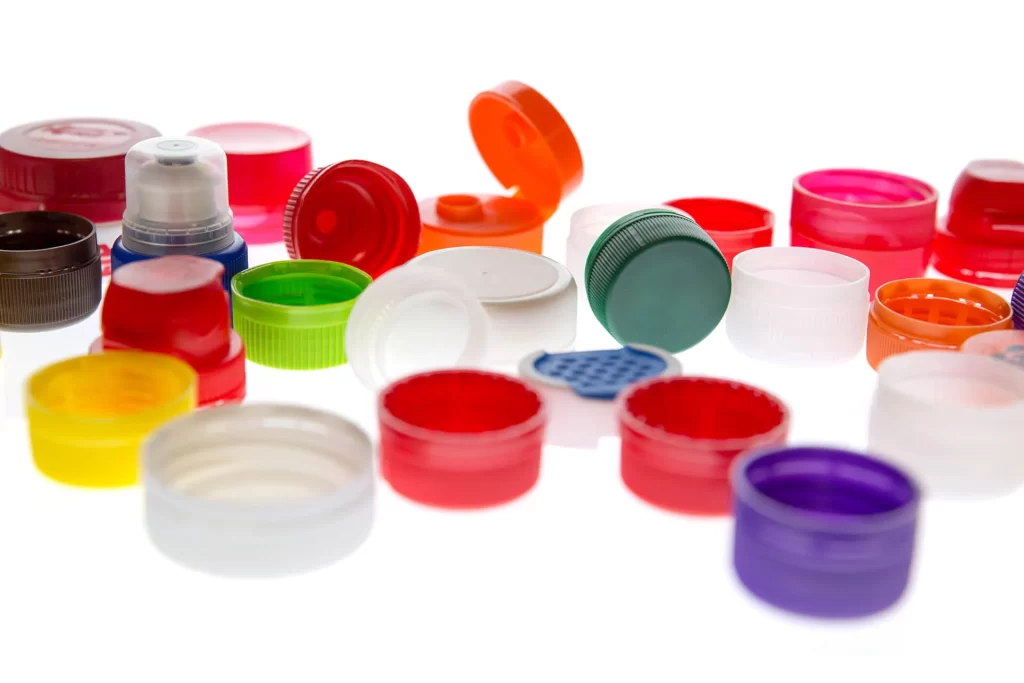
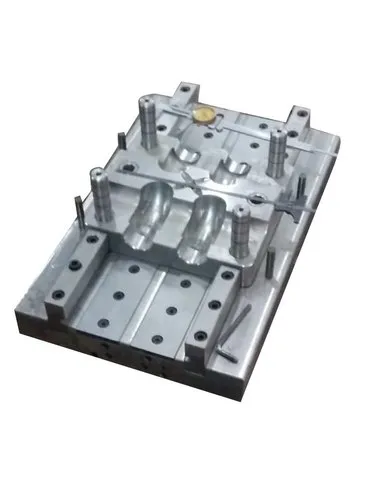
Closures are essential components in the packaging of both household and industrial products. They serve not only as sealing mechanisms but also play a critical role in ensuring safety, preserving product integrity, and enabling controlled dispensing. The design, functionality, and material of closures vary widely depending on the product type, usage conditions, and user requirements.
Types of Closures
Closures can be broadly classified into the following types based on their function and design:
Screw Caps
Common for cleaning agents, motor oils, and detergents.
Provide a tight seal and are easy to reseal.
Snap-On Caps
Often used for single-use or lightweight containers.
Suitable for products like wet wipes and certain disinfectants.
Child-Resistant Closures (CRC)
Critical for hazardous chemicals and medications.
Designed to prevent accidental opening by children while being accessible to adults.
Dispensing Closures
Include flip-tops, pump dispensers, spray nozzles, and spouts.
Allow for controlled release of product such as hand soap, cleaning solutions, and lubricants.
Tamper-Evident Closures
Used to show visible signs if a product has been opened.
Important for ensuring product authenticity and safety.
Materials Used
Plastic (Polypropylene, HDPE, LDPE)
Lightweight, corrosion-resistant, and cost-effective.
Metal (Aluminum, Steel)
Offers strength and durability, often used in industrial-grade chemicals.
Rubber or Silicone
Used in gaskets or liners to enhance seal integrity.
Considerations in Closure Selection
Chemical Compatibility
The closure material must not react with the contents.
Example: Strong acids require chemically resistant plastics.
User Safety
Child-proof and tamper-evident designs are essential for toxic or harmful substances.
Ergonomics and Convenience
Ease of opening and resealing, especially for elderly or frequent users.
Environmental Impact
Increasing focus on recyclable materials and reusable designs.
Cost and Manufacturing Efficiency
Mass-produced closures must balance performance with affordability.
Applications
Household Products:
Cleaning agents, detergents, air fresheners, insecticides.
Emphasis on user-friendly, safe, and often aesthetically pleasing closures.
Industrial Products:
Solvents, adhesives, lubricants, and chemicals.
Require robust, secure, and often tamper-proof closures to withstand rough handling and storage conditions.
Trends and Innovations
Smart Closures: Incorporating indicators for tampering or freshness.
Sustainable Designs: Use of biodegradable plastics and reusable closures.
Custom Branding: Closures designed to align with brand aesthetics and identity.
Conclusion
Closures are a vital element in the packaging of household and industrial products, impacting usability, safety, and product longevity. With growing awareness of safety and environmental sustainability, innovations in closure design and materials continue to evolve, aiming for greater functionality and reduced ecological footprint.