1. Introduction
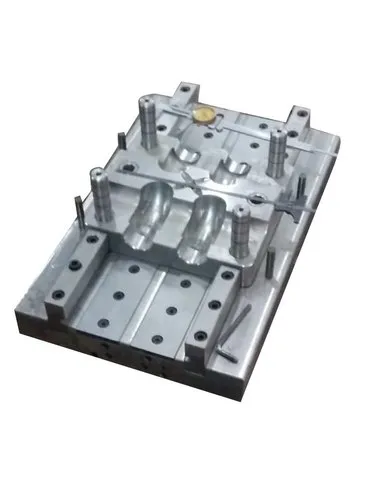
A mold base is the foundation of a mold used in injection molding, die casting, and other forming processes. It provides the structural support and alignment for the mold components, such as the core, cavity, ejector system, and cooling circuits. Selecting the appropriate mold base materials and adhering to industry standards are critical to ensuring mold performance, durability, and cost-efficiency.
2. Mold Base Materials
Mold bases are typically made from a variety of tool steels and other metals based on the application, production volume, and molding materials. Below are common mold base materials and their characteristics:
2.1 P20 Steel
Type: Pre-hardened tool steel
Hardness: ~28-32 HRC
Features:
Good machinability
Uniform hardness
Suitable for moderate production volumes
Applications: General-purpose molds, plastic injection molds
2.2 H13 Steel
Type: Hot-work tool steel
Hardness: Can be heat treated up to 48-52 HRC
Features:
High heat resistance
Excellent toughness
Good for high-volume production
Applications: Die casting molds, high-temperature applications
2.3 S50C / 1050 Carbon Steel
Type: Medium carbon steel
Hardness: Can be hardened up to 50 HRC
Features:
Economical
Good strength and machinability
Applications: Base plates, low-cost mold bases
2.4 Stainless Steels (e.g., 420, 440C)
Type: Corrosion-resistant tool steels
Hardness: High, depending on grade
Features:
Corrosion resistance
High polishability
Applications: Medical molds, optical lenses, cleanroom environments
2.5 Aluminum (e.g., QC-10, Alumold)
Type: High-strength aluminum alloys
Features:
Lightweight
Good thermal conductivity
Easy to machine
Limitations: Lower wear resistance
Applications: Prototype molds, low-volume production
3. Mold Base Standards
Several global standards define the design, dimensions, and interchangeability of mold bases and components. These standards ensure compatibility and ease of replacement across different systems and suppliers.
3.1 DME (Detroit Mold Engineering) Standard
Originated in the USA
Commonly used in North America and internationally
Offers standard mold base sizes, guide pins, bushings, and ejector systems
3.2 HASCO Standard
German-based standard
Popular in Europe and widely adopted worldwide
Known for precise dimensions and quality
Offers metric-based mold bases and components
3.3 MISUMI
Japanese standard, used widely in Asia
Provides customizable mold base components with tight tolerances
Offers both JIS and ISO-compatible options
3.4 JIS (Japanese Industrial Standard)
Standard for mold components and materials in Japan
Ensures compatibility with Japanese tooling practices
3.5 ISO (International Organization for Standardization)
Global standard covering materials, tolerances, and terminology
Increasingly adopted to unify global tooling practices
4. Factors in Selecting Mold Base Materials and Standards
When choosing mold base materials and standards, consider:
Production volume: High volumes need harder, wear-resistant materials
Material being molded: Abrasive or corrosive plastics require specialized steels
Budget constraints: Balance between performance and cost
Precision requirements: Tighter tolerances may dictate higher-grade materials and standards
Availability: Regional availability of standards and materials affects cost and lead time
5. Conclusion
The selection of the right mold base material and adherence to appropriate standards is essential for mold performance, lifespan, and efficiency. Understanding the properties of different materials and global standards like DME, HASCO, and JIS helps manufacturers make informed decisions that balance quality, cost, and production needs.