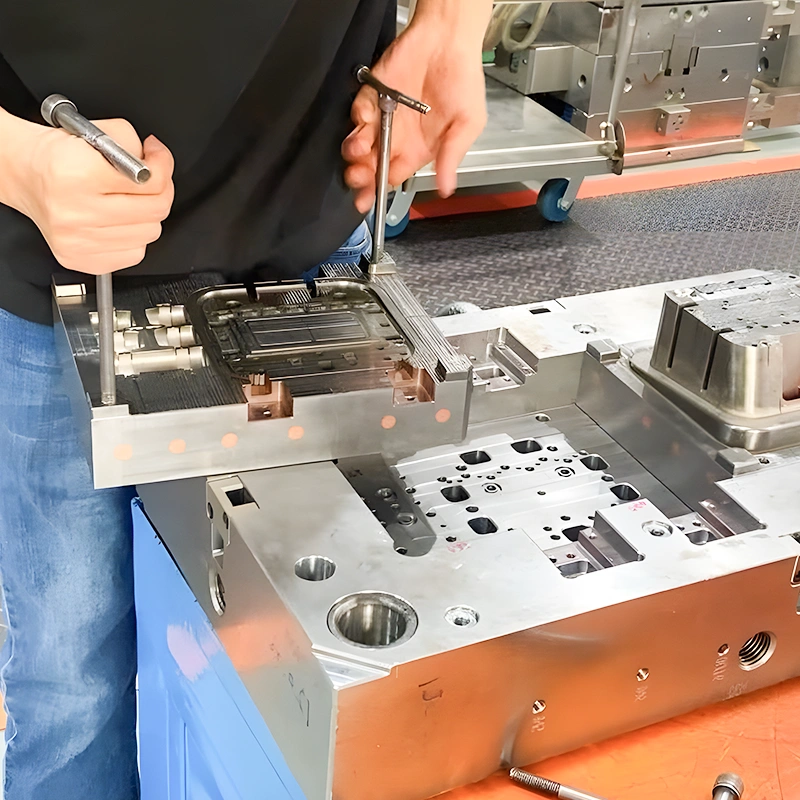
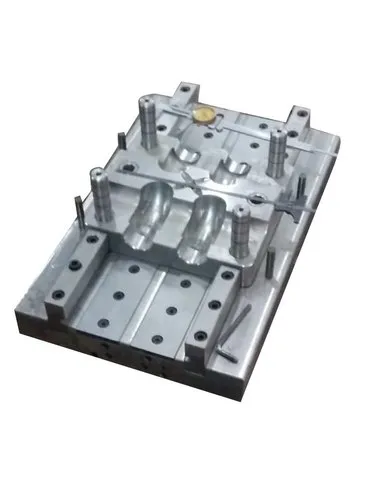
Injection moulds are critical components in the plastic manufacturing industry. To ensure consistent product quality, minimize downtime, and extend mould life, regular maintenance and timely repair of injection moulds are essential. Proper mould care reduces operational costs and improves productivity.
1. Importance of Maintenance and Repair
Ensures Product Quality: Prevents defects such as flash, short shots, or warping.
Extends Mould Life: Reduces wear and tear of mould components.
Reduces Downtime: Prevents unexpected breakdowns that halt production.
Cost Efficiency: Avoids expensive repairs or complete mould replacement.
2. Types of Mould Maintenance
a. Preventive Maintenance
Regularly scheduled maintenance performed while the mould is still operational to prevent failures.
Includes:
Cleaning the mould surface
Lubricating moving parts (e.g., ejector pins, sliders)
Inspecting and replacing worn-out components
Checking alignment and fitting
b. Corrective Maintenance
Maintenance performed to fix a specific issue or malfunction after it occurs.
Includes:
Repairing cracked cores or cavities
Replacing broken inserts, bushings, or guide pins
Reworking worn parting lines
c. Predictive Maintenance
Using data and monitoring systems to predict and schedule maintenance before failure occurs.
Includes:
Thermal imaging to detect hot spots
Vibration analysis of the mould during operation
Monitoring cycle counts and comparing with historical wear data
3. Common Issues in Injection Moulds
| Issue | Cause | Solution |
|---|---|---|
| Flash | Worn parting line or high injection pressure | Polish or rework parting surface |
| Short Shot | Blocked vent or improper temperature | Clean vents, check temperature settings |
| Burn Marks | Inadequate venting | Add or clean vents |
| Sticking Parts | Poor surface finish or worn ejectors | Polish cavity, inspect ejector system |