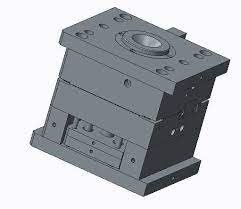
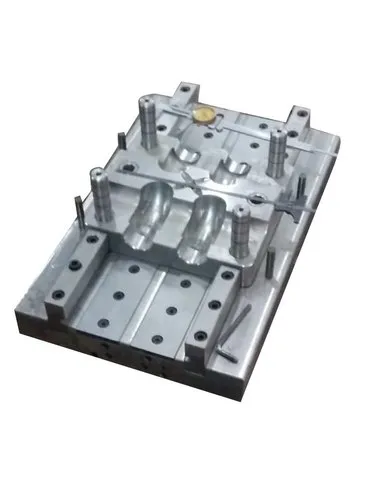
Mould flow analysis is a critical part of the plastic injection moulding process, allowing engineers to simulate and evaluate the behavior of molten plastic as it fills a mould cavity. This analysis helps identify potential issues such as air traps, weld lines, sink marks, short shots, and warpage before the actual mould is manufactured. By using mould flow simulation tools, manufacturers can optimize part design, mould design, and process parameters, leading to higher-quality products and reduced time-to-market.
Purpose of Mould Flow Simulation Tools
The primary objectives of using mould flow simulation tools are:
Optimizing gate location and number
Predicting flow behavior of the molten material
Minimizing manufacturing defects
Reducing cycle times
Improving overall part and mould quality
Reducing material waste and tooling costs
Popular Mould Flow Simulation Tools
Here are some of the most widely used mould flow analysis tools in the industry:
1. Autodesk Moldflow
Overview:
Autodesk Moldflow is one of the most popular and comprehensive mould flow analysis tools available. It offers advanced simulation capabilities for plastic injection moulding, including flow, cooling, packing, and warpage analysis.
Key Features:
Predicts and reduces manufacturing defects
Evaluates different plastic materials and processing conditions
Integration with CAD software for easy geometry import
Cloud simulation support
Use Cases: Automotive, packaging, electronics, and medical industries
2. Moldex3D
Overview:
Moldex3D is a high-performance simulation software developed by CoreTech System. It offers 3D numerical simulation capabilities and is suitable for complex part geometries and moulding processes.
Key Features:
True 3D analysis for accurate results
Simulates various processes like injection compression, gas-assisted, and co-injection moulding
Material database with thousands of thermoplastics
Embedded CAD platform for seamless design integration
Use Cases: Complex engineering components, multi-cavity and family moulds
3. SolidWorks Plastics
Overview:
SolidWorks Plastics is an add-on to SolidWorks CAD software that offers easy-to-use mould flow analysis tools for design engineers.
Key Features:
Fully integrated with SolidWorks
Focus on early-stage design validation
Ideal for evaluating gate location, flow pattern, and potential part defects
User-friendly interface suitable for non-simulation experts
Use Cases: Small to medium-sized design teams, consumer products, rapid prototyping
4. Siemens NX Mold Wizard (with Mold Flow Integration)
Overview:
Siemens NX offers advanced mould design capabilities, and when integrated with simulation tools like Moldflow or Simcenter, it provides comprehensive mould flow analysis.
Key Features:
Synchronous technology for flexible model editing
Supports advanced mould features and cooling system simulation
Parametric modelling and automation
Use Cases: Aerospace, automotive, industrial machinery
5. SIGMASOFT Virtual Molding
Overview:
SIGMASOFT focuses on simulating the complete moulding process, including thermal, mechanical, and rheological aspects. It is often used for precision components where process optimization is crucial.
Key Features:
High-fidelity simulations including mould base and cooling
Accounts for cycle-to-cycle heat accumulation
Suitable for thermosets, LSR, and metal injection moulding
Use Cases: Precision moulding, high-volume production, complex thermoset materials
Benefits of Using Mould Flow Simulation Tools
Reduced product development time and cost
Improved product quality and reliability
Better understanding of material behavior
Informed decision-making in tooling and design
Prevention of costly design changes after tooling
Conclusion
Mould flow simulation tools have become essential in modern product development, especially in industries relying on plastic injection moulding. By accurately predicting how a material will behave during moulding, these tools help engineers make smarter design choices, reduce trial-and-error iterations, and ensure the final product meets all quality and performance requirements. Selecting the right tool depends on the complexity of the part, the process being used, and the desired level of detail in simulation.