Cost estimation is a critical aspect of the mould die-making process, especially in the houseware industry, where competitiveness, product quality, and time-to-market are vital. Accurate cost estimation ensures profitability, guides design decisions, helps secure customer approval, and prevents cost overruns during production.
1. Introduction to Mould Die Making for Houseware
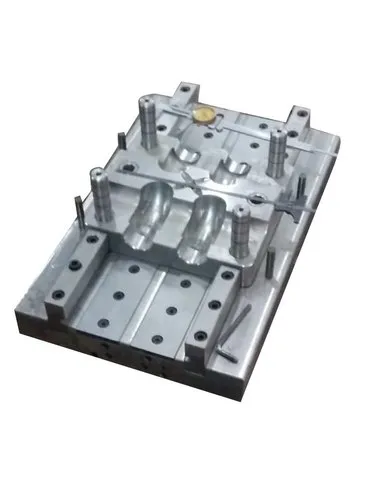
Mould die making involves designing and manufacturing the tooling (dies or moulds) used to produce plastic or metal houseware items such as containers, utensils, kitchen tools, storage boxes, and other domestic products. These moulds must be precise, durable, and efficient to support high-volume production.
2. Key Cost Components in Mould Die Making
The total cost of making a houseware mould die can be broken down into several components:
a. Design and Engineering Costs
CAD/CAM Design: Involves creating 2D/3D models of the product and mould.
Mould Flow Analysis: Simulation to analyze material flow and optimize gate, runner, and cooling system design.
Prototype Development (if needed): Rapid prototyping or 3D printing to validate the product before mould creation.
b. Material Costs
Die Steel/Tool Steel: Selection depends on mould type (e.g., P20, H13, or stainless steel for corrosion resistance).
Standard Parts: Ejector pins, bushings, guide pillars, etc.
Base Plate and Inserts: Typically customized depending on mould complexity.
c. Manufacturing Costs
Machining Operations:
CNC milling
EDM (Electrical Discharge Machining)
Turning and grinding
Heat Treatment: Hardening processes to improve tool life.
Polishing and Surface Finishing: Especially important for transparent or glossy houseware items.
d. Assembly and Fitting
Manual labor for assembling all components.
Precision fitting to ensure correct alignment and operation.
e. Trial and Testing
Mould Trial Runs: Used to validate mould performance.
Modifications and Corrections: Costs may rise if mould redesigns or refinements are required.
f. Overheads and Indirect Costs
Utilities, maintenance, tooling wear and tear, and factory overheads.
Project management and quality control.
g. Packaging and Delivery
Costs for proper packaging of heavy moulds.
Logistics and transportation expenses.
3. Factors Affecting Cost Estimation
Several variables influence the overall cost of mould die making in houseware:
| Factor | Impact on Cost |
|---|---|
| Product Complexity | Higher complexity increases design and machining time. |
| Mould Cavities | Multi-cavity moulds are costlier but more efficient in production. |
| Material Type | Corrosive or abrasive materials require more durable (and expensive) die steels. |
| Surface Finish Requirements | High-polish or texture finish increases labour and precision work. |
| Production Volume | High-volume production may justify investment in high-end tooling. |
| Tolerance and Precision | Tight tolerances increase cost due to high-precision machining and quality control. |