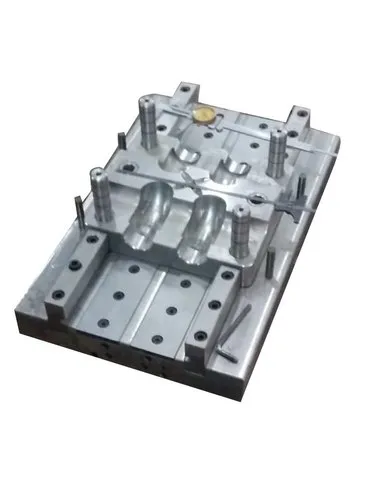
Injection mould dies are critical components in the mass production of high-quality, durable, and aesthetically pleasing kitchen containers. These dies define the final shape, size, and texture of plastic containers used for storing food, spices, grains, and other kitchen essentials. With precision-engineered moulds, manufacturers can produce containers that meet exact design and functional requirements with excellent repeatability.
Applications
Injection mould dies are used to produce a wide variety of kitchen containers, including:
Food storage boxes
Airtight containers
Microwave-safe lunch boxes
Refrigerator containers
Stackable modular containers
Oil and spice dispensers
Multi-compartment containers
Material Compatibility
The dies are typically used with food-grade thermoplastics such as:
Polypropylene (PP) – Lightweight, microwave-safe, and durable.
Polycarbonate (PC) – High impact strength and transparency.
Polyethylene (PE) – Good flexibility and chemical resistance.
Tritan™ (Copolyester) – BPA-free and highly durable for premium kitchenware.
Key Features of the Dies
Precision Engineering
Tight tolerances ensure consistent wall thickness, smooth finishes, and perfect lid fits.High Durability
Made from premium tool steels like P20, H13, or S136 for long mould life and resistance to wear.Custom Surface Finishes
Textured, glossy, matte, or patterned finishes are achievable directly from the die surface.Multi-Cavity Design
Allows simultaneous moulding of multiple parts to increase production efficiency.Optimized Cooling Systems
Embedded cooling channels enhance cycle time and maintain dimensional stability.Easy Maintenance
Modular components and corrosion-resistant materials simplify cleaning and repairs.
Die Types
Single Cavity Dies – For prototype or low-volume production.
Multi-Cavity Dies – For high-volume, consistent output.
Stack Moulds – Double the output per cycle in the same machine footprint.
Hot Runner Systems – Reduce material waste and cycle time.
Customization Options
Container shape (round, square, rectangular, oval)
Size and volume (from 100 ml to 10 liters or more)
Logo or branding engraving
Transparent or opaque finish
Interlocking or stacking features
Lid locking mechanisms (snap-on, twist-lock, silicone-sealed)
Industries Served
Homeware & Kitchenware Manufacturers
Food Packaging Industry
OEMs for Retail Brands
Hospitality & Catering Suppliers
Quality and Compliance
All dies are manufactured following international standards such as:
ISO 9001 for quality management
FDA and EU standards for food-grade material compatibility
Moldflow analysis for design optimization
Conclusion
Injection mould dies for kitchen containers are a backbone of modern kitchenware production. With the right design and tooling, manufacturers can deliver innovative, user-friendly, and hygienic storage solutions that meet the evolving demands of consumers. Investing in precision dies not only ensures product quality but also maximizes productivity and cost-efficiency.