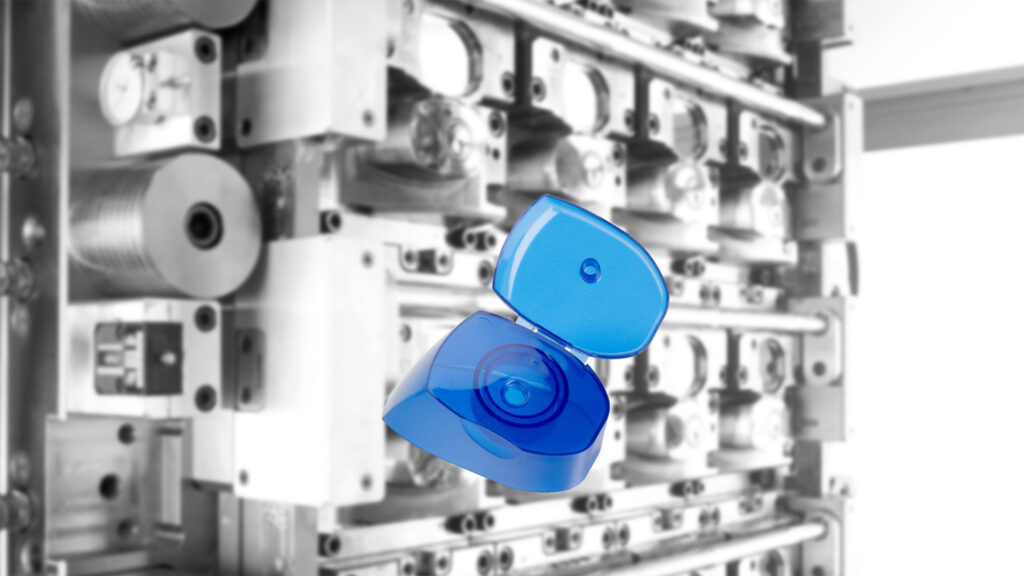
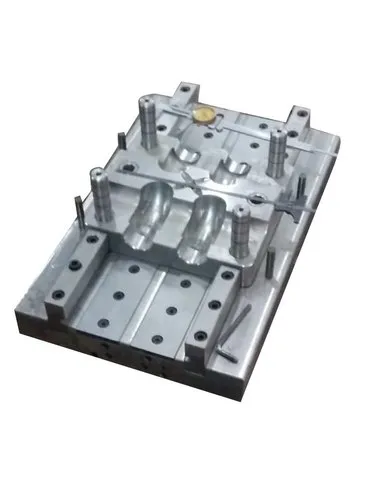
Modular Mould Systems are standardized, interchangeable mould components that can be assembled and reconfigured to produce a wide variety of plastic or metal parts. These systems provide flexibility, reduce manufacturing time, and lower costs by using pre-engineered modules rather than building moulds from scratch for each new part.
They are commonly used in injection moulding, die casting, compression moulding, and thermoforming applications across industries such as automotive, electronics, packaging, and consumer goods.
Key Components
Modular mould systems typically consist of the following components:
Base Plates
– Serve as the foundation of the mould.
– Designed to accept different cavity and core inserts.Cavity Inserts
– Form the external shape of the product.
– Can be swapped to produce different part designs using the same base.Core Inserts
– Shape the internal features of the part.
– Easily replaceable for variation in internal geometries.Spacer Blocks and Support Pillars
– Maintain the proper alignment and spacing between mould halves.Ejector Systems
– Mechanisms such as ejector pins or plates used to release the final product from the mould.Cooling Channels
– Integrated channels to circulate cooling fluid, ensuring uniform temperature control.Guide Pins and Bushings
– Ensure precise alignment during mould closing.
Advantages
1. Flexibility and Scalability
Easy to reconfigure or upgrade moulds for different part designs.
Enables quick adaptation to market changes or design iterations.
2. Cost-Effective
Reduces the need to produce entire mould assemblies from scratch.
Saves material and labor costs by reusing standard components.
3. Reduced Lead Time
Faster mould assembly and changeover.
Ideal for prototyping, small-batch, or short-run production.
4. Simplified Maintenance
Easier to replace worn-out parts or inserts.
Minimizes downtime during servicing or modifications.
5. Improved Standardization
Uses industry-standard sizes and interfaces.
Compatible with automated systems and robotic integration.
Applications
Prototyping – Quickly test multiple designs using the same base mould.
Mass Customization – Produce various product variants without full retooling.
Multi-Cavity Production – Use different inserts in each cavity for simultaneous production of different parts.
Low to Medium Volume Production – Economical solution for limited production runs.
Types of Modular Mould Systems
Master Unit Die (MUD) System
– A standardized master frame that accepts interchangeable inserts.
– Popular for short runs and prototype tooling.Quick-Change Mould System
– Designed for rapid tool changes with minimal machine downtime.Stack Mould System
– Multi-level moulds used for high-volume production without increasing the press size.Hot Runner Modular Systems
– Incorporate modular hot runner manifolds to optimize material flow and reduce waste.
Challenges and Considerations
Initial Investment: Requires upfront cost for modular bases and components.
Design Limitations: May not accommodate very large or highly complex parts.
Precision Requirements: Needs high tolerance manufacturing to ensure perfect alignment and fit.
Compatibility: Must ensure modules conform to standard dimensions and interfaces.
Conclusion
Modular mould systems offer a modern, efficient, and flexible approach to mould design and manufacturing. By utilizing standardized and reusable components, manufacturers can significantly reduce lead times, improve cost-efficiency, and respond quickly to design changes or market demands. As manufacturing trends continue to favor customization and agility, modular moulding is becoming an essential tool in modern production environments.