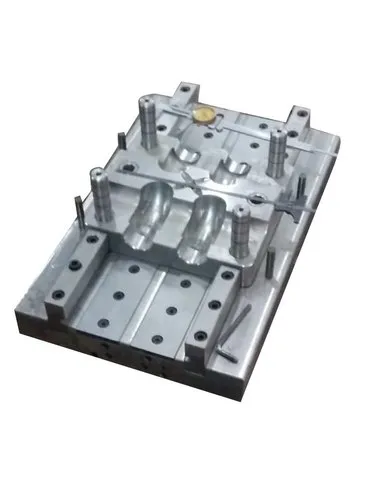
Embedded antennas in moulded devices represent a key advancement in modern product design, enabling seamless wireless connectivity while maintaining compact form factors and robust mechanical integrity. By integrating antennas directly into plastic moulded components, manufacturers can reduce assembly steps, improve performance consistency, and enhance product aesthetics.
What Are Embedded Antennas?
Embedded antennas are conductive antenna structures integrated within or onto moulded plastic parts during or after the moulding process. These antennas support wireless communication technologies such as Bluetooth, Wi-Fi, NFC, RFID, LTE, and 5G, and are widely used in automotive, consumer electronics, medical devices, and industrial IoT products.
Moulding Technologies for Embedded Antennas
Several moulding and manufacturing techniques are used to integrate antennas into devices:
Insert Moulding: Pre-formed metal antennas or flexible circuits are placed into the mould before plastic injection.
In-Mould Electronics (IME): Antenna patterns are printed on films and encapsulated during moulding.
Overmoulding: Antennas are positioned on a substrate and covered with plastic for protection.
Laser Direct Structuring (LDS): Laser activates specific plastic areas that are later metallized to form 3D antenna traces.
Two-Shot Moulding: Combines conductive and non-conductive materials in a single moulded part.
Design Considerations
Effective antenna performance in moulded devices requires careful coordination between RF design and mould engineering:
Material Selection: Plastic dielectric properties directly influence antenna efficiency and resonance.
Wall Thickness & Geometry: Uneven thickness can detune antenna performance.
Antenna Placement: Distance from metal components, batteries, and PCBs is critical.
Shielding Effects: Surrounding electronics and enclosures may cause signal attenuation.
Manufacturing Tolerances: Dimensional variations can affect frequency tuning.
Advantages of Embedded Antennas
Compact Design: Eliminates the need for external antennas.
Improved Durability: Encapsulation protects antennas from mechanical damage.
Cost Efficiency: Reduces assembly and wiring costs in high-volume production.
Enhanced Aesthetics: Clean product appearance with no protruding components.
Repeatable Performance: Consistent antenna positioning improves reliability.
Applications
Automotive: Keyless entry systems, tire pressure monitoring, infotainment modules.
Consumer Electronics: Smartphones, wearables, smart home devices.
Medical Devices: Wearable health monitors, diagnostic equipment.
Industrial IoT: Sensors, tracking devices, smart meters.
Plastic Furniture with Smart Features: Embedded connectivity for lighting or charging modules.
Challenges and Limitations
RF Detuning Risks: Plastic flow, shrinkage, and internal stresses can alter antenna properties.
Thermal Constraints: High moulding temperatures may damage delicate antenna structures.
Testing Complexity: Over-the-air (OTA) testing is required after moulding.
Design Iterations: Requires close collaboration between RF engineers and mould designers.
Future Trends
5G and mmWave Integration: Demands higher precision moulding and advanced materials.
Flexible and Printed Antennas: Increased use of conductive inks and films.
Sustainable Materials: Development of antenna-compatible recycled and bio-plastics.
Smart Surfaces: Integration of antennas with touch, lighting, and sensing functions.
Conclusion
Embedded antennas in moulded devices are transforming how connectivity is incorporated into products. By merging antenna design with mould technology, manufacturers can achieve compact, durable, and aesthetically superior connected devices. As wireless standards evolve and product miniaturization continues, embedded antenna solutions will play an increasingly vital role in next-generation moulded products.