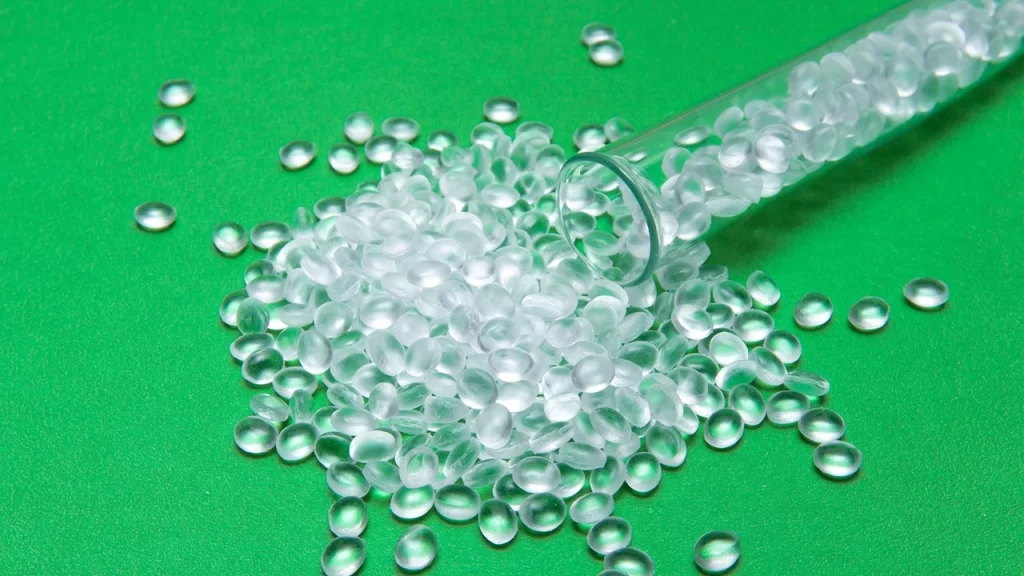
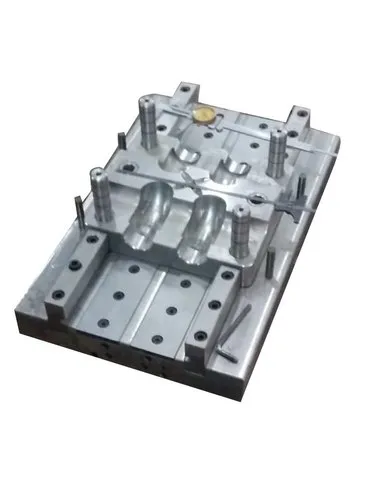
Polyvinyl chloride (PVC) has long been a dominant material in molding applications due to its affordability, durability, and versatility. However, traditional PVC is derived from petrochemicals and contains harmful additives such as plasticizers and stabilizers, raising serious environmental and health concerns. As sustainability becomes a priority across industries, there is growing interest in bio-based alternatives to traditional PVC molding.
Environmental Concerns with Traditional PVC
Petroleum-Based Source: PVC is made from non-renewable fossil fuels.
Toxic Additives: Phthalates and heavy metals used in PVC can leach out, posing health risks.
Non-Biodegradable: PVC waste accumulates in landfills and the environment, with limited recycling capabilities.
High Carbon Footprint: Manufacturing PVC is energy-intensive and contributes significantly to greenhouse gas emissions.
What Are Bio-Based Alternatives?
Bio-based materials are derived from renewable biological resources like plants, starches, algae, and agricultural waste. In molding applications, these materials can be engineered to offer mechanical and thermal properties comparable to PVC while reducing ecological impacts.
Leading Bio-Based Alternatives to PVC in Molding
1. Polylactic Acid (PLA)
Source: Corn starch, sugarcane, or cassava.
Features: Biodegradable, compostable, thermoplastic behavior.
Applications: Packaging, consumer goods, and light-duty molded parts.
Pros: Low environmental impact, easy to process.
Cons: Lower heat resistance and durability compared to PVC.
2. Polyhydroxyalkanoates (PHAs)
Source: Microbial fermentation of plant-based feedstocks.
Features: Fully biodegradable, can mimic conventional plastics.
Applications: Medical devices, food containers, and disposable items.
Pros: Biocompatible and versatile.
Cons: Higher cost, limited commercial availability.
3. Thermoplastic Starch (TPS)
Source: Corn, potatoes, or other starchy plants.
Features: Moldable with plasticizers, biodegradable.
Applications: Agricultural films, molded packaging.
Pros: Inexpensive and renewable.
Cons: Sensitive to moisture, lower mechanical strength.
4. Bio-Polyethylene (Bio-PE)
Source: Ethanol from sugarcane or other biomass.
Features: Chemically identical to conventional PE, but bio-derived.
Applications: Pipes, containers, and flexible molding.
Pros: Recyclable and low carbon footprint.
Cons: Not biodegradable, though less harmful in production.
5. Lignin-Based Composites
Source: A byproduct of paper and bioethanol production.
Features: Reinforced thermoplastics, flame retardant properties.
Applications: Automotive parts, construction materials.
Pros: Utilizes waste, enhances mechanical properties.
Cons: Processing challenges and variability in quality.
Benefits of Switching to Bio-Based Moldings
Sustainability: Reduced reliance on fossil fuels and lower greenhouse gas emissions.
Safer Composition: Avoidance of harmful additives like phthalates and heavy metals.
Compliance: Meets increasing regulatory and consumer demand for eco-friendly materials.
Biodegradability: Decomposes naturally, minimizing long-term waste.
Challenges and Considerations
Cost: Many bio-based materials are currently more expensive than traditional PVC.
Performance: Some alternatives may not match PVC in durability or weather resistance.
Processing Compatibility: Requires adaptation of existing molding equipment.
Scale: Limited global production capacity and supply chain infrastructure.
Conclusion
The transition to bio-based alternatives in PVC molding is not just an environmental imperative but also a growing market opportunity. With continuous advancements in biopolymer technology and increasing regulatory pressure on traditional plastics, manufacturers are well-positioned to adopt sustainable, high-performance bio-based materials for molding applications. While challenges remain, the long-term benefits in health, environment, and brand value are substantial.