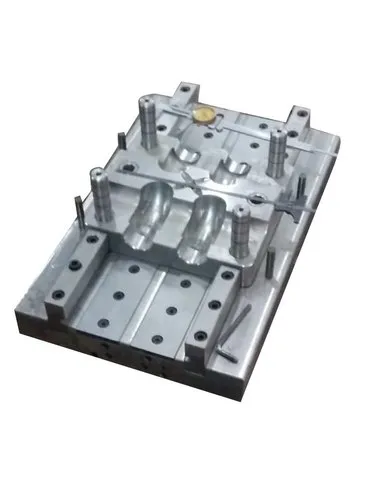
Blow moulding is a manufacturing process used to produce hollow plastic parts, such as bottles, containers, and tanks. The process involves inflating a heated plastic tube (called a parison) inside a mould cavity, so it takes the shape of the mould. Blow moulding is commonly used in the packaging, automotive, and consumer goods industries.
Blow moulding machines are specialized equipment designed to carry out this process efficiently and consistently.
Types of Blow Moulding
Before exploring the machine components, it’s important to note the three main types of blow moulding:
Extrusion Blow Moulding (EBM)
Injection Blow Moulding (IBM)
Injection Stretch Blow Moulding (ISBM)
Each type requires slightly different machine configurations, but many components are common across all types.
Main Components of Blow Moulding Machines
Extruder or Injection Unit
Function: Melts and plasticizes the raw plastic material (typically in pellet form) and forms the parison (in EBM) or preform (in IBM/ISBM).
Key Parts:
Hopper (feeds raw plastic)
Barrel and screw (heats and pushes plastic)
Heater bands and temperature controllers
Parison or Preform Mold
Parison die (EBM): Shapes the molten plastic into a hollow tube.
Injection mold (IBM/ISBM): Forms a solid preform with a bottleneck structure.
Mould Clamping Unit
Function: Holds and closes the mould halves tightly during air blowing and cooling.
Components:
Mould plates
Hydraulic or mechanical clamping system
Blow Pin or Needle
Function: Inserts compressed air into the parison or preform to expand it against the mould wall.
Cooling System
Function: Circulates water or air through the mould to cool and solidify the plastic part quickly.
Take-out or Ejection System
Function: Removes the finished product from the mould after it has solidified.
Control System
Function: Manages the entire process, including temperature, pressure, timing, and cycle sequence.
Interface: PLC (Programmable Logic Controller) or touchscreen HMI.
Operation of a Blow Moulding Machine
Here’s a step-by-step overview of how a typical blow moulding machine operates (using Extrusion Blow Moulding as an example):
Plasticizing:
Plastic pellets are fed into the hopper.
They are heated and melted as they pass through the extruder.
Parison Formation:
The molten plastic is extruded through a die to form a parison (a hollow plastic tube).
Mould Closing:
The open mould halves close around the parison, pinching it at the bottom and sealing the top around the blow pin.
Blowing:
Compressed air is introduced through the blow pin, inflating the parison so it presses against the mould walls.
Cooling:
The mould is cooled by circulating water, allowing the part to solidify.
Mould Opening and Ejection:
The mould opens, and the finished part is ejected or removed.
Trimming and Finishing:
Excess material (flash) is trimmed, and the part may undergo post-processing.
Applications of Blow Moulding Machines
Bottles for beverages, chemicals, and cosmetics
Automotive fuel tanks and ducts
Industrial drums and containers
Toys and household items
Conclusion
Blow moulding machines are essential in the mass production of hollow plastic products. By understanding their components and operational steps, manufacturers can optimize production efficiency and product quality. Depending on the application, different types of blow moulding (extrusion, injection, or stretch) may be used, each requiring specific configurations but sharing many common elements.