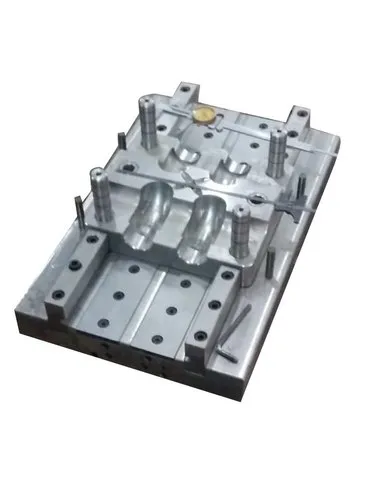
A Digital Twin is a virtual replica of a physical system that enables real-time monitoring, simulation, and analysis. In the field of polymer processing, particularly PVC (Polyvinyl Chloride) molding, digital twins offer a powerful tool for optimizing mold design, predicting material behavior, and reducing production defects. Mold flow simulation models the movement of molten PVC within a mold, and the integration of a digital twin elevates this process by incorporating live data, adaptive modeling, and predictive analytics.
2. Importance of Mold Flow Simulation in PVC Manufacturing
PVC is widely used in manufacturing due to its durability, chemical resistance, and low cost. However, it has specific flow characteristics due to its viscoelastic nature and sensitivity to temperature and shear rates. Mold flow simulation helps to:
Predict flow paths, pressure drops, and fill times.
Identify defects such as air traps, weld lines, or sink marks.
Optimize gate and runner designs.
Reduce trial-and-error in toolmaking.
3. What is a Digital Twin in This Context?
In the context of PVC mold flow, a digital twin consists of:
A simulation model that accurately represents the physical mold and PVC material behavior.
Sensors and data acquisition systems installed on the actual molding equipment to collect temperature, pressure, and flow data.
A data integration platform that updates the virtual model in real-time or near-real-time.
Analytics and machine learning tools that interpret data and refine the model.
4. Components of a Digital Twin for PVC Mold Flow Simulation
CAD/CAE Model: 3D geometry of the mold integrated with simulation software (e.g., Autodesk Moldflow, Moldex3D).
Material Models: Rheological and thermal properties of PVC grades used in the process.
IoT Integration: Sensors measuring cavity pressure, mold temperature, and melt temperature.
Real-Time Data Feedback: Communication layer that synchronizes real-world data with the digital model.
AI/ML Algorithms: For anomaly detection, predictive maintenance, and process optimization.
5. Workflow
Design Phase: Develop CAD and initial simulation using assumed material properties.
Mold Fabrication & Instrumentation: Manufacture the mold and embed sensors.
Simulation Calibration: Compare real mold flow data with simulated results, then update simulation parameters.
Operational Phase: Continuously monitor and update the digital twin during production.
Optimization: Use historical and live data to adjust parameters and improve cycle times, reduce scrap, and extend tool life.
6. Benefits
Improved Accuracy: Real-world data enhances the precision of flow simulations.
Faster Time-to-Market: Reduces the number of trial runs needed.
Cost Efficiency: Minimizes waste and rework.
Predictive Maintenance: Identifies issues before they cause downtime.
Scalability: Easily adapted for different mold geometries or materials.
7. Challenges and Considerations
Data Integration: Combining data from diverse sources in real-time can be complex.
Sensor Reliability: High-temperature and high-pressure environments can degrade sensor performance.
Model Complexity: Capturing all relevant physical phenomena requires high computational resources.
Cybersecurity: Protecting the digital twin and data streams is critical.
8. Future Directions
Cloud-based Digital Twins for collaborative manufacturing.
AI-enhanced Simulations that self-correct using reinforcement learning.
Integration with ERP and MES systems for full digital thread continuity.
Augmented Reality (AR) for visualization and operator training.
9. Conclusion
The integration of digital twin technology with PVC mold flow simulation represents a significant advancement in polymer processing. It enables manufacturers to visualize, simulate, and optimize molding processes with greater precision and agility, leading to smarter production lines and higher-quality products.