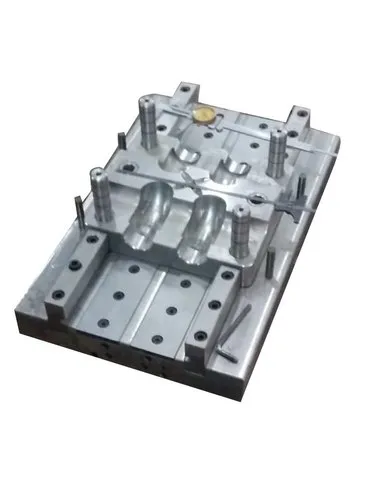
As industries move toward greener manufacturing practices, the use of eco-friendly additives in PVC (Polyvinyl Chloride) molding is gaining significant momentum. Traditionally, PVC molding has relied on additives that improve processability, flexibility, thermal stability, and color. However, many of these additives—such as lead-based stabilizers and phthalate plasticizers—pose environmental and health risks. The shift to sustainable, non-toxic alternatives is essential for reducing the ecological footprint of PVC products.
1. Introduction to PVC and Sustainability Challenges
PVC is a widely used thermoplastic due to its versatility, cost-effectiveness, and durability. It finds applications in construction, automotive, medical devices, and consumer goods. However, the sustainability of PVC molding is challenged by:
Use of hazardous additives
Limited recyclability due to additive contamination
Emissions during production and end-of-life disposal
Adopting eco-friendly additives not only mitigates these issues but also complies with tightening global regulations and rising consumer expectations for sustainability.
2. Types of Eco-Friendly Additives
a. Bio-Based Plasticizers
Traditional plasticizers such as DEHP (Di(2-ethylhexyl) phthalate) are known for their toxicity. Bio-based plasticizers derived from:
Soybean oil (e.g., epoxidized soybean oil, ESBO)
Castor oil
Citrus oils and other plant esters
offer a renewable, non-toxic alternative while maintaining similar flexibility and performance in PVC molding.
b. Calcium-Zinc Stabilizers
Replacing heavy metal stabilizers (like lead and cadmium), Ca-Zn stabilizers are:
Non-toxic and thermally stable
Suitable for food-contact and medical applications
Compliant with RoHS and REACH regulations
These stabilizers are widely used in pipes, profiles, and wire coatings.
c. Natural Fillers and Reinforcements
Fillers like rice husk, wood flour, bamboo fiber, and hemp can partially replace synthetic fillers or resins. Benefits include:
Reduced environmental impact
Enhanced biodegradability
Lightweight composite properties
They are especially used in wood-plastic composites (WPCs).
d. Non-Toxic Flame Retardants
Halogenated flame retardants, although effective, release toxic gases when burned. Safer options include:
Aluminum hydroxide
Magnesium hydroxide
Phosphorus-based compounds
These alternatives lower fire risk without compromising indoor air quality.
e. Lubricants and Processing Aids
Plant-based or biodegradable internal and external lubricants (e.g., esters, waxes) help:
Reduce energy consumption during molding
Enhance surface finish
Improve recyclability
3. Benefits of Eco-Friendly Additives in PVC Molding
Environmental Safety: Reduced emissions and hazardous waste
Regulatory Compliance: Meets global safety and environmental standards
Health Protection: Safer for workers and end-users
Recyclability: Additive compatibility enhances closed-loop recycling
Market Appeal: Growing demand for green materials across sectors
4. Industry Trends and Future Outlook
Innovation in Green Chemistry: Continued research into bio-based and biodegradable additives
Circular Economy Integration: Focus on designing PVC products for reuse and recyclability
Certifications and Labels: Increased importance of third-party sustainability certifications (e.g., GreenGuard, Cradle to Cradle)
As demand for sustainable materials grows, eco-friendly PVC molding is transitioning from a niche initiative to an industry standard.
5. Conclusion
Eco-friendly additives are pivotal in transforming PVC molding into a more sustainable process. By replacing harmful substances with renewable, non-toxic alternatives, manufacturers can meet environmental targets, comply with regulations, and contribute to a circular economy. The future of PVC lies in balancing performance with planetary responsibility.