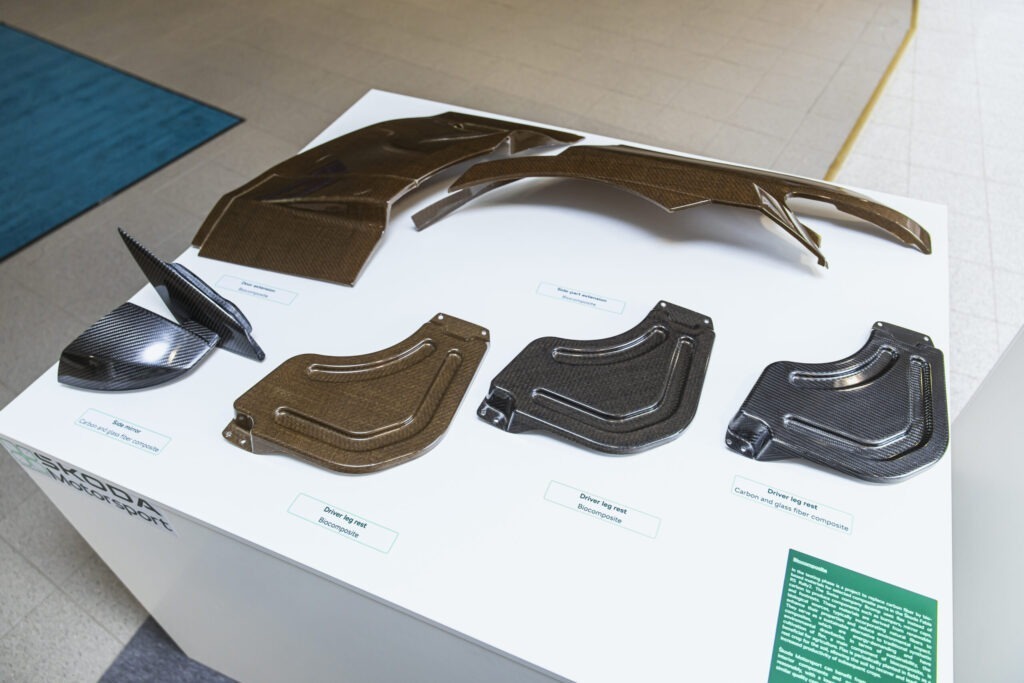
As the automotive industry strives toward sustainability, one key area of innovation is the use of eco-friendly mold materials in vehicle manufacturing. Mold materials are essential in shaping various automotive components, especially plastic and composite parts used in interiors, exteriors, and under-the-hood applications. Traditionally, these molds were made from non-renewable, petroleum-based materials that pose environmental challenges. Today, manufacturers are turning to greener alternatives that reduce carbon footprints while maintaining performance standards.
Why Eco-Friendly Mold Materials Matter
Automobile manufacturing involves extensive use of molded parts, from dashboards and bumpers to engine covers and door panels. Conventional mold materials often contribute to:
High energy consumption during production
Waste generation and difficulty in recycling
Emission of volatile organic compounds (VOCs)
Switching to eco-friendly mold materials helps reduce these negative impacts and aligns with stricter global emissions regulations and growing consumer demand for greener vehicles.
Types of Eco-Friendly Mold Materials
1. Biodegradable Polymers
Materials such as PLA (polylactic acid), derived from renewable resources like corn starch or sugarcane, are being used in some non-structural automotive components. These materials are biodegradable and reduce dependency on fossil fuels.
2. Natural Fiber Composites
Blending natural fibers like hemp, flax, jute, or kenaf with biodegradable or recycled resins forms strong, lightweight composites used for interior panels, seat backs, and trunk liners. These materials offer good mechanical properties while being biodegradable and low-emission.
3. Recycled Thermoplastics
Automakers increasingly use recycled polypropylene (rPP) and recycled polyethylene terephthalate (rPET) for mold-making and component manufacturing. These materials help in resource conservation and can often be recycled again after their useful life.
4. Bio-Based Resins
Resins derived from plant oils, such as soy or castor oil, serve as eco-friendly alternatives to traditional epoxy and polyurethane resins. When combined with natural fibers, they provide durable mold materials with a lower environmental footprint.
5. Water-Based Mold Release Agents
Replacing solvent-based mold release agents with water-based ones reduces the emission of VOCs and improves worker safety in manufacturing environments.
Applications in Automobiles
Eco-friendly mold materials are used in a range of automotive components, including:
Interior trims: Door panels, dashboards, and seat bases
Structural parts: Floor panels and supports
Engine covers and under-the-hood applications where heat resistance is manageable
Exterior panels in low-load areas, depending on material durability
Benefits to Automakers and Consumers
Reduced environmental impact and compliance with regulations like the EU’s ELV (End-of-Life Vehicles) directive
Lower weight, contributing to improved fuel efficiency and EV range
Enhanced recyclability, supporting circular economy models
Brand value boost, as sustainability becomes a market differentiator
Challenges and Outlook
While promising, eco-friendly mold materials still face challenges such as:
Cost competitiveness with traditional materials
Material performance limitations under high stress or temperature
Supply chain consistency for natural fibers and bio-resins
However, ongoing R&D, growing regulatory pressure, and advancements in material science are rapidly bridging these gaps.
Conclusion
Eco-friendly mold materials represent a critical step toward more sustainable automobile manufacturing. By integrating bio-based, recycled, and renewable materials into molds and parts, the automotive industry can significantly reduce its environmental footprint while meeting performance and design requirements. As technology evolves, we can expect broader adoption and more innovative applications in the near future.