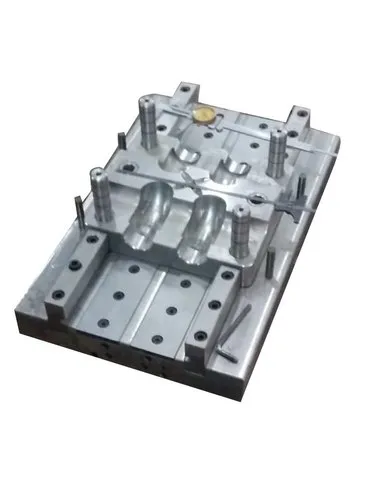
Electronic moulds play a crucial role in the manufacturing of modern consumer electronics, enabling high precision, miniaturization, and consistent quality across mass production. As devices become smaller, lighter, and more multifunctional, the demand for highly accurate moulds has increased significantly.
1. Introduction to Electronic Moulds
Electronic moulds are specialized moulds used to produce plastic and metal components for consumer electronic products. They are designed with advanced features such as micro-level cavity detailing, tight tolerances, and integration with electronic controls to ensure consistent part quality.
These moulds are widely used in manufacturing:
Mobile phones and accessories
Laptops and tablets
Smartwatches and wearables
Earbuds and audio devices
Remote controls
Home appliances
Gaming consoles and controllers
2. Key Features of Electronic Moulds
a. High Precision and Accuracy
Consumer electronics require ultra-thin parts and intricate geometries. Electronic moulds ensure:
Micro-level detailing
Tight dimensional control
Zero-defect surface finishes
b. Multi-Cavity Design
To meet high production volumes, electronic moulds often incorporate:
Multi-cavity layouts
Optimized runner and gate systems
Balanced filling and reduced cycle time
c. Integration with Automation
Modern moulds include:
Sensor-based monitoring
Automated ejector systems
PLC-based temperature and pressure control
d. Advanced Cooling Systems
Efficient thermal management ensures:
Reduced cycle time
Stable part quality
Improved mould life
3. Types of Electronic Moulds Used in Consumer Electronics
1. Injection Moulds
Used for most electronic housings and internal components like:
Smartphone bodies
Laptop frames
Remote control housings
Smartwatch casings
2. Die-Casting Moulds
For metal components requiring durability and strength, such as:
Heat sinks
Metal back covers
Structural frames
3. Micro-Injection Moulds
Ideal for tiny electronic parts like:
Connectors
Switch components
Precision gears
4. Insert and Overmoulding Tools
Used to combine multiple materials or encapsulate electronics:
Rubberized mobile cases
Cable ends and connectors
Waterproof wearable components
4. Materials Used in Electronic Moulding
Common materials include:
ABS
PC (Polycarbonate)
PC+ABS blends
PBT
Nylon
Silicone for overmoulding
These materials offer strength, heat resistance, and impact durability suitable for electronic products.
5. Applications in Consumer Electronics
Electronic moulds support production of:
Smartphone covers, frames, buttons, SIM trays
Earbud housings and charging cases
Smart TV remote shells
Laptop bezels, keyboard frames
Power bank enclosures
Router casings and IoT device shells
Appliance control panel covers
6. Technology Advancements in Electronic Moulds
a. CNC High-Speed Machining
Ensures precise cavity detailing and quick production.
b. EDM and Wire-Cut Technology
Used for micro-features and sharp internal corners.
c. 3D Simulation and Moldflow Analysis
Helps predict:
Fill patterns
Cooling efficiency
Warpage behavior
d. Embedded Sensors
Real-time monitoring of:
Temperature
Pressure
Cycle timing
7. Benefits of Using Electronic Moulds
Higher accuracy and consistency
Faster production cycles
Reduced human error
Lower scrap and defect rates
Increased product reliability
8. Challenges in Electronic Mould Manufacturing
Complex geometries requiring advanced machining
Miniaturization demanding ultra-precision
High-quality surface finish requirements
Material selection challenges for heat-sensitive components
9. Future Trends
Integration of IoT-enabled smart moulds
Micro moulding for compact electronics
Higher use of automation and robotics
Sustainable and lightweight materials
AI-based predictive maintenance