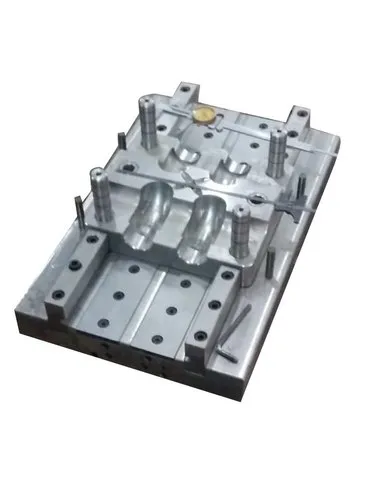
Electronic moulds are modern moulding systems enhanced with sensors, controllers, and intelligent electronics to improve precision, consistency, and productivity in automotive component manufacturing. As automotive parts increasingly demand higher accuracy, complex geometries, and strict quality standards, electronic moulds play a vital role in ensuring efficient and reliable production.
1. Introduction to Electronic Moulds
Electronic moulds incorporate integrated electronic systems such as microcontrollers, sensors, actuators, and servo mechanisms to monitor and control key moulding parameters. These advanced moulds are widely used in producing automotive interior, exterior, and functional components.
Purpose:
Enhance mould performance
Reduce human error
Improve production efficiency
Ensure consistent product quality
2. Key Features of Electronic Moulds
a. Embedded Sensor Systems
Sensors monitor critical parameters such as:
Temperature
Pressure
Material flow
Cooling rate
Machine cycle time
This real-time data improves process accuracy and reduces defects.
b. Smart Controllers
PLC or microcontroller-based systems enable advanced control over:
Gate opening/closing
Injection timing
Temperature zones
Cooling cycles
c. Servo Motor Integration
Servo motors enable highly precise movements for:
Core pulling
Slider movement
Ejector strokes
Valve gate control
These improve part accuracy and reduce wear.
d. Real-Time Monitoring & Alarms
Electronic moulds provide live feedback and alert operators of:
Overpressure
Overheating
Material leakage
Improper cycle timings
This helps prevent breakdowns and scrap production.
3. Advantages of Electronic Moulds in Automotive Manufacturing
a. Enhanced Precision
Automotive parts such as dashboards, bumpers, lighting housings, and interior trims require ultra-precise dimensions. Electronics ensure repeatable accuracy.
b. Improved Product Quality
Consistent temperature and pressure control result in:
Smooth surfaces
Zero warpage
Reduced shrinkage
Better structural integrity
c. Reduced Production Downtime
Predictive alarms and monitoring reduce machine stoppages and mould failures.
d. Energy Efficiency
Servo-driven systems and optimized cooling reduce energy consumption compared to traditional hydraulic moulds.
e. Greater Automation
Electronic moulds support industry trends like fully automated injection moulding cells.
4. Applications in Automotive Components
Electronic mould technology is widely used for:
Bumpers, grills, and exterior trims
Dashboard panels, door panels, glove boxes
Lighting housings (headlamps & tail lamps)
HVAC ducts and airflow parts
Precision engine components
Electrical housings and connectors
Complex shapes and high repeatability make electronic moulds ideal for these parts.
5. Technologies Used in Electronic Moulds
MEMS sensors for micro-level data monitoring
PLC-based automation for overall cycle control
Embedded microcontrollers for gate, ejector, and core operations
Wireless communication modules for remote data logging
Servo valves & actuators for movement precision
These technologies support Industry 4.0 manufacturing practices.
6. Challenges and Considerations
While electronic moulds offer many advantages, they also require:
Higher initial investment
Skilled technical personnel
Regular calibration
Sensitive maintenance of electronic components
However, long-term benefits often outweigh these challenges.
7. Future Trends
The future of electronic moulds in automotive manufacturing includes:
AI-driven predictive maintenance
Full integration with digital twin technology
Smart moulds with self-learning capabilities
Cloud-based production monitoring
Greater use of IoT-enabled sensors
These innovations will further improve efficiency and part quality.
Conclusion
Electronic moulds represent a major technological shift in the automotive industry. By integrating electronics with traditional moulding systems, manufacturers can achieve higher precision, lower defect rates, and better overall efficiency. As automotive components become more complex and quality-focused, electronic moulds will continue to play a critical role in modern production processes.