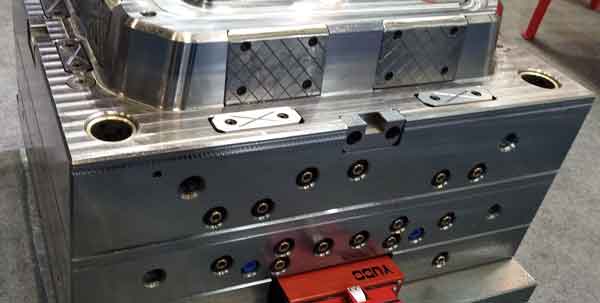
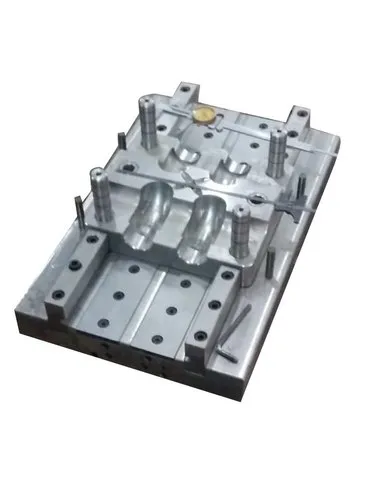
The mould manufacturing industry operates within a highly globalized supply chain, where exports and imports play a critical role in meeting technological, cost, and capacity requirements. As product lifecycles shorten and precision demands increase, mould makers increasingly depend on cross-border trade for tools, materials, and expertise.
1. Global Trade Landscape
Mould manufacturing is concentrated in a few industrial hubs such as China, Germany, Japan, South Korea, Italy, and India. These countries export high volumes of injection moulds, die-casting moulds, and compression moulds to automotive, electronics, packaging, and consumer goods industries worldwide. Developing economies often import advanced moulds, while exporting standard or labor-intensive tools.
2. Export Trends in Mould Manufacturing
Exports are driven by:
Cost competitiveness: Countries with lower labor and production costs export moulds at competitive prices.
Specialization: High-precision moulds for automotive, medical, and electronics sectors are major export items.
Customization capability: OEMs increasingly prefer suppliers who can deliver application-specific moulds.
After-sales support: Exporters offering installation, trials, and maintenance gain long-term contracts.
Emerging exporters like India and Vietnam are gaining share due to improved quality standards and faster lead times.
3. Import Dependencies
Imports are often necessary due to:
Advanced technology needs: High-end multi-cavity or micro-moulds are imported from technologically advanced nations.
Tooling components: Hot runner systems, sensors, controllers, and special steels are frequently imported.
Prototype and pilot moulds: Used for rapid product development and validation.
Many manufacturers import moulds initially and later localize production after technology transfer.
4. Cost and Pricing Implications
Import duties, freight costs, currency fluctuations, and compliance expenses significantly affect mould pricing. Exporters must carefully balance pricing to remain competitive while maintaining margins. Free trade agreements (FTAs) and export incentive schemes can substantially reduce costs and improve competitiveness.
5. Quality Standards and Compliance
Exported moulds must comply with international standards such as:
ISO quality systems
Automotive OEM standards
CE and RoHS (for electronic applications)
Meeting these standards increases acceptance in global markets but also raises documentation and testing costs.
6. Logistics and Lead Time Challenges
Moulds are high-value, heavy, and precision products, making logistics a critical factor. Exporters must manage:
Safe packaging and corrosion protection
Shipping insurance
Customs clearance delays
Installation and commissioning at overseas customer sites
Delays can disrupt customer production schedules and damage supplier credibility.
7. Impact of Global Supply Chain Disruptions
Events such as pandemics, geopolitical tensions, and shipping crises have highlighted risks in over-reliance on imports. As a result:
Companies are diversifying suppliers
Near-shoring and local sourcing are increasing
Strategic stock of critical mould components is being maintained
8. Role of Digitalization and Industry 4.0
Digital tools support smoother export–import operations through:
Virtual mould trials and simulations
Remote troubleshooting and service
Digital documentation for customs and compliance
Online collaboration with overseas customers
This reduces travel costs and accelerates international project execution.
9. Opportunities for Emerging Markets
Emerging economies can strengthen their export position by:
Investing in precision machining and automation
Developing skilled toolmakers
Offering faster turnaround times
Providing competitive pricing with reliable quality
Government export incentives and infrastructure support further enhance global competitiveness.
10. Future Outlook
The future of export and import dynamics in mould manufacturing will be shaped by sustainability requirements, lightweight tooling materials, digital supply chains, and regional manufacturing hubs. Companies that balance global sourcing with localized production and strong after-sales support will gain a strategic advantage.