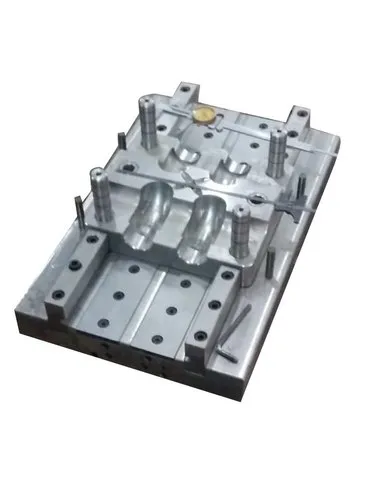
The global mould manufacturing industry continues to expand, driven by rising consumer demand, rapid industrialization, and the need for high-precision plastic and metal components across sectors. For mould manufacturers, this creates substantial export opportunities in both developed and emerging markets. Companies that can offer high-quality tooling, competitive pricing, and timely delivery stand to gain significantly in the global marketplace.
1. Growing Global Demand for Plastic and Metal Products
Industries such as automotive, electronics, packaging, consumer goods, medical devices, and household products are increasingly relying on moulded components. This rising demand fuels the need for injection moulds, blow moulds, extrusion dies, compression moulds, and other specialized tooling.
Countries with fast-growing manufacturing sectors—such as Vietnam, Indonesia, Mexico, Poland, and Turkey—are importing more moulds to support local production.
Developing economies prefer outsourcing mould manufacturing due to cost advantages and lack of local high-end tooling capabilities.
2. Competitive Advantage for Asian Manufacturers
Countries like China, India, and Taiwan are major players in mould exports due to:
Lower production costs
Access to skilled toolmakers
Advanced CNC and EDM machining capabilities
Strong supply chains for mould steel, hot runner systems, and electronics
Indian mould manufacturers, in particular, are gaining traction globally due to improved quality standards, certifications, and engineering expertise.
3. High-Potential Export Markets
a. North America (USA & Canada)
A major importer of moulds, especially for automotive, packaging, and consumer goods.
Opportunities for high-precision injection moulds
Demand for cost-effective alternatives to local tooling manufacturers
b. Europe (Germany, Italy, France, Poland)
Europe requires advanced, durable, and high-performance moulds.
Export demand for mould bases, plastic moulds, and prototype tooling
Preference for suppliers with ISO and CE certifications
c. Middle East & Africa
Growing sectors like construction products, household items, furniture, and packaging open new opportunities.
High demand for large-size moulds (chairs, tables, crates, pallets)
Preference for turnkey mould supply including testing and sample production
d. Southeast Asia
Countries such as Vietnam, Thailand, Philippines, and Malaysia are rapidly expanding their manufacturing industries.
Strong demand for automotive, electronics, and consumer product moulds
Opportunities for long-term supply partnerships with OEMs
4. Sectors Driving Export Demand
1. Automotive Industry
Exports of bumper moulds, dashboard moulds, headlamp moulds, interior trim tooling, etc.
2. Packaging Industry
Requirements for cap moulds, bottle moulds, thin-wall container moulds, and crate moulds.
3. Consumer Electronics
Mobile case moulds, appliance moulds (TV, AC, washing machine), and precision connector moulds.
4. Furniture & Household Goods
Plastic chair, table, stool, and storage moulds are in high demand worldwide.
5. Key Factors Enhancing Export Competitiveness
a. Quality Certifications
ISO 9001, ISO/TS, CE compliance, ROHS, etc. help build trust with international buyers.
b. Precision Engineering & Technology
Use of 5-axis CNC machining
EDM & Wirecut for complex cavities
Hot runner systems for efficiency
Moldflow analysis for design optimization
c. After-Sales Support
Providing technical assistance, maintenance guides, spare parts, and online support strengthens long-term relations.
d. Cost Advantage
Competitive pricing allows exporters to attract foreign buyers who face higher manufacturing costs domestically.
6. Export Challenges and How to Overcome Them
Common Challenges
Quality expectations from European and North American markets
Logistics and shipping delays
Tariffs and import regulations
Requirement for precise documentation and testing standards
Strategies to Overcome
Invest in advanced machining and inspection equipment
Enhance packaging and shipping protection
Build strong relationships with freight forwarders
Provide full technical documentation including 3D models, QC reports, and trial videos
7. Future Growth Trends for Exporters
Increasing demand for multi-cavity and high-speed moulds
Growth in electric vehicle (EV) moulding components
Rising need for sustainable and recyclable product moulds
Automation-ready moulds with sensors and electronic controls
These trends create new avenues for mould exporters to expand globally.
Conclusion
Export opportunities for mould manufacturers are growing rapidly as industries worldwide aim for cost-effective, high-quality tooling solutions. By focusing on precision, quality certifications, advanced technology, and reliable customer service, mould manufacturers—especially from India and Asia—can establish a strong presence in global markets. With the right strategies, exporting moulds can become a significant revenue driver and a pathway to long-term international growth.