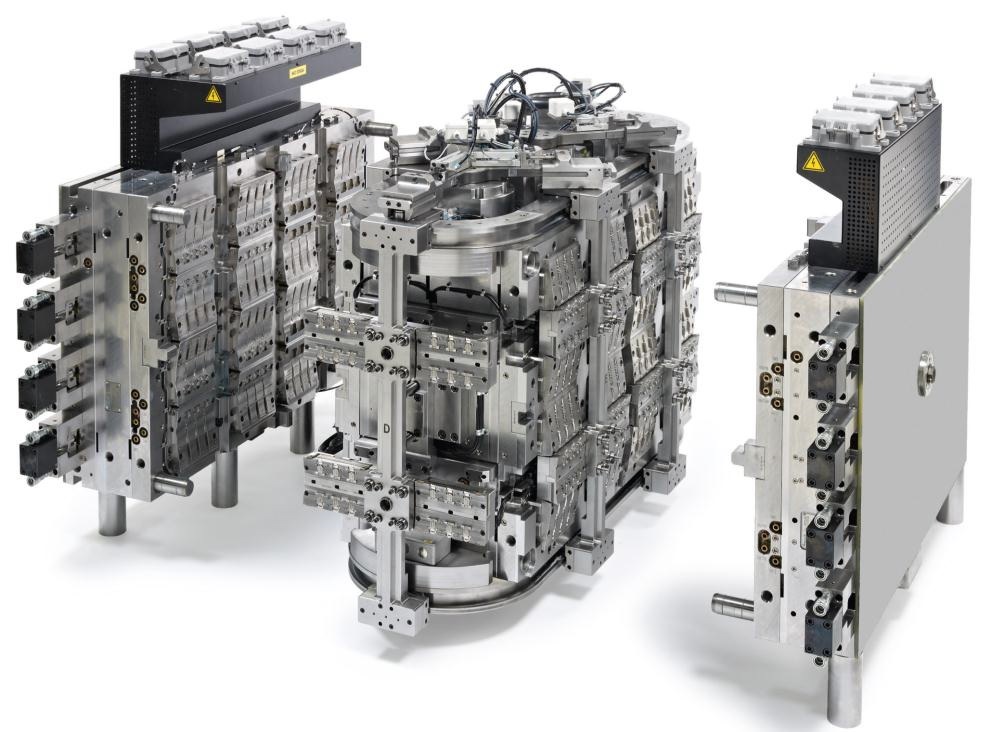
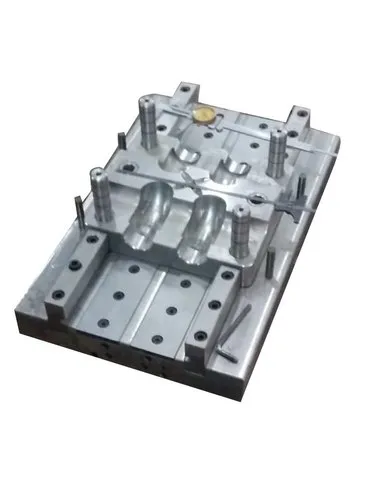
Flexible electronics represent a significant advancement in mould technology, enabling the integration of electronic functionality into curved, lightweight, and deformable plastic components. By combining flexible electronic circuits with advanced moulding processes, manufacturers can create smart, compact, and highly functional products across automotive, consumer electronics, medical, and industrial applications.
What Are Flexible Electronics?
Flexible electronics use thin, bendable substrates—such as polyimide (PI), polyethylene terephthalate (PET), or thermoplastic polyurethane (TPU)—instead of rigid printed circuit boards (PCBs). These substrates allow electronic components, sensors, and conductive traces to bend, stretch, or conform to complex shapes without losing functionality.
Role of Mould Technology in Flexible Electronics
Mould technology plays a crucial role in embedding or overmoulding flexible electronic circuits into plastic parts. The most common integration methods include:
In-Mould Electronics (IME / IMSE): Printed electronic circuits are formed on a flexible film and placed inside the mould, where they are bonded to the plastic part during injection moulding.
Overmoulding of Flexible Circuits: Flexible PCBs are positioned within the mould and encapsulated with molten plastic for protection and structural support.
Insert Moulding: Pre-assembled flexible electronic components are inserted into the mould before the injection process.
These techniques reduce assembly steps and enable seamless integration of electronics and structure.
Key Materials Used
Substrates: PET, PEN, PI, TPU
Conductive Inks: Silver, copper, carbon-based inks
Polymers for Moulding: ABS, PC, PC-ABS, PA, TPU
Protective Coatings: UV-curable and thermal-resistant coatings to protect circuits during moulding
Manufacturing Process Overview
Circuit Design and Printing – Electronic circuits are printed using screen, inkjet, or gravure printing on flexible films.
Component Placement – LEDs, sensors, and ICs are mounted using low-temperature soldering or conductive adhesives.
Forming/Shaping – The printed film is thermoformed to match the 3D mould geometry.
Moulding Integration – The formed film is placed into the mould and overmoulded using injection moulding.
Final Testing – Electrical and functional testing ensure performance and durability.
Advantages of Flexible Electronics in Mould Technology
Reduced part count and assembly complexity
Lightweight and space-saving designs
Improved design freedom and aesthetics
Enhanced durability through encapsulation
Cost efficiency in high-volume production
Applications
Automotive: Touch-sensitive dashboards, ambient lighting panels, steering controls
Consumer Electronics: Wearables, smart appliances, curved user interfaces
Medical Devices: Flexible sensors, diagnostic equipment housings
Industrial Products: Control panels, smart surfaces, human-machine interfaces (HMI)
Design and Moulding Challenges
Thermal and pressure resistance of flexible circuits
Material compatibility between films and moulded plastics
Maintaining electrical integrity during moulding
Precise placement and alignment inside the mould
Quality control and repeatability in mass production
Quality and Reliability Considerations
Electrical continuity testing after moulding
Environmental testing (temperature, humidity, vibration)
Adhesion and delamination resistance checks
Long-term fatigue and flex testing
Future Trends
Integration with stretchable electronics and soft polymers
Use of recyclable and bio-based substrates
Increased adoption in electric vehicles and smart interiors
Advancements in printed electronics and conductive materials
Conclusion
Flexible electronics in mould technology are transforming traditional plastic components into intelligent, multifunctional systems. As materials and moulding techniques continue to advance, this integration will play a key role in enabling compact, lightweight, and smart products across multiple industries.