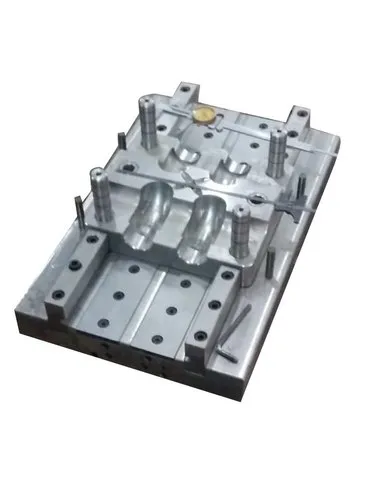
1) Market snapshot (size & growth)
The global automotive mould market is substantial and growing: several market reports put the automotive mould/tooling market value in the tens of billions USD range (estimates around USD 34–45B in the mid-2020s) with steady mid-single-digit CAGRs into the 2030s. IMARC Group+1
Broader segments (e.g., injection-molded automotive parts) are even larger — reports project the injection-molded automotive parts market in the tens of billions and continuing to expand as vehicle complexity and parts content rise. Research and Markets+1
2) Key growth drivers
Electrification and lightweighting — shift to EVs and the push for improved range are increasing demand for lightweight polymer components and therefore advanced moulds designed for newer materials and complex geometries. IMARC Group
Rising vehicle production in Asia-Pacific — APAC accounts for the largest regional share of tooling/mould demand due to OEM capacity expansion and tier-1 supplier growth in China, India and Southeast Asia. Verified Market Reports+1
Increased part complexity & precision — modern interior/exterior styling, safety systems, and integrated electronic housings require high-precision moulds and tighter tolerances. Research and Markets
Automation & Industry 4.0 — adoption of connected machining, process monitoring, and automated handling to reduce cycle time and improve repeatability. IMARC Group
3) Technology & process trends shaping moulds
Advanced cooling (conformal cooling) and additive manufacturing for inserts — 3D-printed conformal channels speed cycle times and extend tool life for complex geometries. IMARC Group
High-precision CNC and EDM — to meet tighter tolerances for safety and aesthetic parts. Verified Market Reports
Hot-runner systems and multi-shot moulding — to reduce scrap, improve part quality and enable multi-material components. Research and Markets
Digital twins & simulation — more use of CAE to predict fill, warpage and optimize tool design before cutting steel. IMARC Group
4) Materials & sustainability trends
Shift toward engineering thermoplastics and composites (PA, PPS, PEEK, long-glass/polypropylene blends) for structural and under-hood components. Research and Markets
Circularity: recycled content and bio-resins — OEM sustainability targets are increasing demand for moulds that handle recycled/blended resins and enable disassembly-friendly designs. MarketsandMarkets
5) Regional dynamics & opportunities
Asia-Pacific (largest opportunity): continued capacity build-out for OEMs and suppliers; competitive labour and supplier clusters make APAC the biggest buyer of moulds. Verified Market Reports+1
North America & Europe: demand driven by reshoring, EV supply chain investments, and high-value precision moulding (specialty/technical parts). Intel Market Research
India: fast-growing installed base of injection machines and tooling as automotive production expands — attractive for mould makers targeting local OEMs and export. Future Market Insights
6) Competitive landscape
The market is fragmented: global tooling specialists and many regional/niche mould shops coexist. Key competitive factors are lead time, engineering capability (CAE, multi-cavity expertise), material experience, price and after-sales support. (See leading global players and top mould makers lists in industry reports.) mingliprecision.com+1
7) Challenges & headwinds
Raw material price volatility (affects part makers and tooling investment cadence). Research and Markets
Long lead times & high upfront capital for high-precision moulds — creates barriers for small producers. Intel Market Research
Skilled labour shortage for precision toolmaking, CNC, and tool-design engineers. Verified Market Reports
8) Near-term opportunities (practical business angles)
Target EV-specific components (battery housings, cooling ducts, cable management) — higher parts content and specialized moulds. IMARC Group
Offer turnkey engineering + rapid prototyping (mould + simulation + quick-turn inserts) to reduce OEM time-to-market. Research and Markets
Invest in additive tooling for faster iteration and conformal cooling capabilities to win complex part programs. IMARC Group
Regional footprint strategy: combine low-cost production in APAC with technical hubs (EU/NA) for high-precision work.
9) What suppliers/manufacturers should do next (recommendations)
Upgrade engineering capability (CAE, simulation, material testing).
Adopt hybrid manufacturing — combine CNC with additive for faster, cheaper complex moulds.
Build partnerships with OEMs/Tier-1s for EV programs — position early for component redesigns.
Develop sustainability competence — process moulds for recycled/biopolymers and eco-friendly part design.
Shorten lead times with modular inserts, standardized components and local service teams.