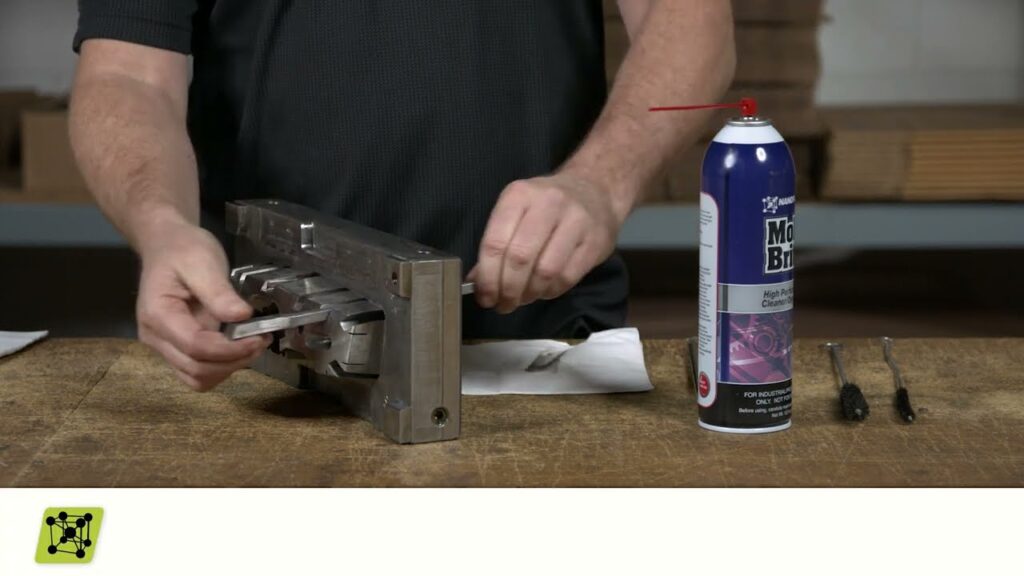
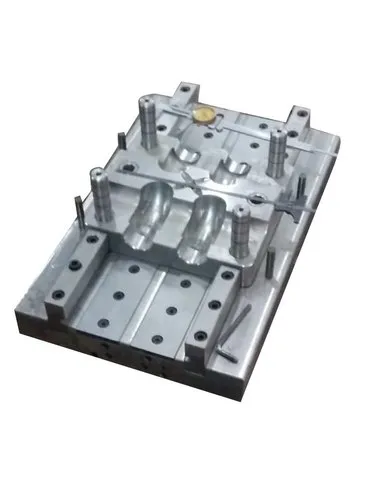
Cosmetic moulds are essential tools in the production of products like soaps, lipsticks, balms, bath bombs, and more. Proper maintenance and cleaning of these moulds are crucial to ensure the longevity of the moulds, hygiene of the products, and consistent product quality. Below is a step-by-step guide on how to properly clean and maintain cosmetic moulds.
1. Understand the Type of Mould Material
Before cleaning, identify the type of mould you’re working with, as different materials require different care:
Silicone Moulds – Flexible, heat-resistant, and easy to clean.
Plastic Moulds (PET, PVC, etc.) – Rigid and may be more sensitive to heat and chemicals.
Metal Moulds (Aluminum, Stainless Steel) – Durable but prone to rust if not dried properly.
2. General Cleaning Procedure
Step 1: Remove Residue Immediately
After use, remove any leftover product (wax, soap base, butter) while still slightly warm for easier cleaning.
Use a soft scraper or cloth to avoid scratching.
Step 2: Wash with Mild Detergent
Use warm (not hot) water and a gentle, non-abrasive detergent.
Avoid harsh chemicals that may damage the mould material.
Step 3: Use Soft Cleaning Tools
Use a soft sponge or cloth. Avoid steel wool or hard brushes.
For stubborn residues, soak the mould in warm soapy water for 10–15 minutes.
Step 4: Rinse Thoroughly
Ensure all detergent and residues are completely rinsed off with clean water.
Step 5: Dry Completely
Pat dry with a soft lint-free towel or air-dry in a clean, dust-free environment.
For metal moulds, ensure they are fully dry to prevent rust.
3. Disinfection and Sanitization
Use 70% isopropyl alcohol to disinfect moulds before and after each use, especially for lip care or skincare products.
Spray lightly and let air dry. Do not rinse after applying alcohol.
Avoid bleach or harsh disinfectants unless specifically recommended.
4. Maintenance Tips
Store Properly: Keep moulds in a clean, dry area away from direct sunlight and heat.
Avoid Cross-Contamination: Use dedicated moulds for different ingredients (e.g., separate moulds for scented vs. unscented products).
Inspect Regularly: Check for cracks, warping, or buildup. Replace damaged moulds promptly.
Avoid Abrasives: Never use sharp tools inside the mould to remove stuck product.
5. Deep Cleaning (Occasional)
For silicone moulds, a baking soda paste can help remove oils and stains:
Mix baking soda with water into a paste.
Apply, scrub gently, and rinse thoroughly.
For metal moulds, a vinegar rinse can help remove soap scum or buildup (rinse well after use to avoid corrosion).
6. Special Considerations
Soap Moulds: Ensure no soap residue remains, as it can cause discoloration in future batches.
Lip Balm & Lipstick Moulds: Oils and waxes can leave films—use warm water and alcohol for final cleaning.
Bath Bomb Moulds: Thorough drying is essential to prevent moisture absorption and rusting in metal moulds.
Conclusion
Maintaining clean and well-kept cosmetic moulds is not only essential for product quality and safety but also helps extend the lifespan of your tools. Regular cleaning, gentle handling, and proper storage are key practices that every cosmetic maker should adopt.