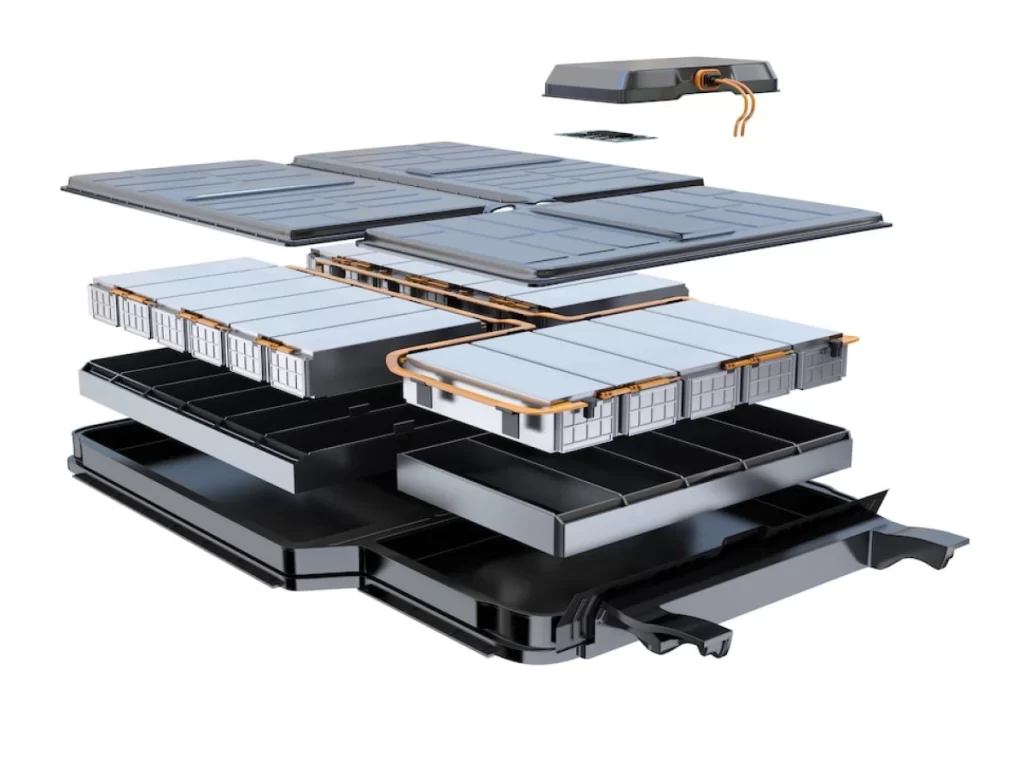
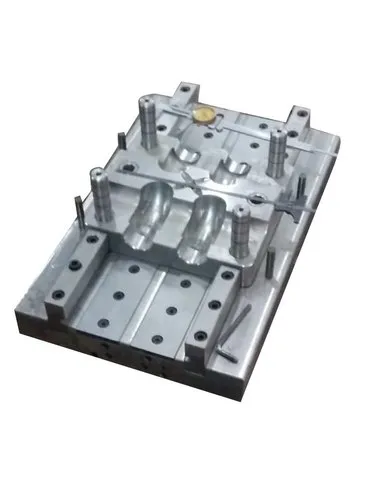
As the global shift toward electric vehicles (EVs) accelerates, manufacturers are seeking innovative, scalable, and cost-effective production methods to meet the growing demand. One area seeing rapid advancement is the manufacturing of battery components—especially through injection molding. This process, traditionally used in the plastics and automotive industries, is now a key enabler of lightweight, high-performance, and precision-engineered parts for EV battery systems.
Why Injection Molding?
Injection molding offers a range of advantages that make it ideal for electric vehicle battery components:
High Precision and Repeatability
Tight tolerances and complex geometries are critical for battery pack design. Injection molding ensures consistent part quality across high volumes.Lightweight Materials
Thermoplastics and advanced polymer composites help reduce overall vehicle weight, improving energy efficiency and driving range.Scalability
Once the mold is created, thousands to millions of identical components can be produced at a low per-unit cost.Design Flexibility
Engineers can integrate multiple functions (e.g., insulation, fluid channels, structural supports) into a single molded part.
Key Battery Components Manufactured via Injection Molding
Battery Module Housings
These casings protect internal cells and provide structural support. They are often made from flame-retardant thermoplastics to ensure thermal and electrical safety.Cell Spacers and Holders
Injection-molded spacers maintain safe distances between individual battery cells, preventing short circuits and enhancing heat dissipation.Thermal Management Components
Elements like cooling plates or air ducts can be integrated into the battery pack using injection molding techniques.Electrical Insulators
Plastic insulators prevent electrical arcing and improve battery safety, especially in high-voltage systems.Seals and Gaskets
Custom-molded elastomeric components ensure water and dust ingress protection (IP ratings) for battery enclosures.
Materials Used in EV Battery Injection Molding
Polycarbonate (PC)
Offers excellent impact resistance and electrical insulation.Polyamide (Nylon) with Glass Fiber
Provides strength and thermal stability for structural parts.PBT (Polybutylene Terephthalate)
Commonly used for connectors and insulators due to its dimensional stability and flame retardance.Thermoplastic Elastomers (TPE)
Used in seals and vibration-dampening parts.Liquid Silicone Rubber (LSR)
Ideal for high-precision gaskets and seals with excellent thermal properties.
Benefits for EV Manufacturers
Reduced Production Costs
Fewer parts, less assembly time, and lower waste contribute to overall cost savings.Improved Safety and Compliance
Flame-retardant and non-conductive materials help meet strict safety standards (e.g., UL 94, ISO 26262).Shorter Time-to-Market
Rapid tooling and prototyping methods enable faster design iterations and product launches.Sustainability
Injection molding supports the use of recyclable polymers and closed-loop material systems, aligning with EV makers’ sustainability goals.
Challenges and Innovations
While injection molding brings numerous benefits, challenges such as mold wear from abrasive fillers, material outgassing, and high tooling costs for initial development must be addressed. Industry players are actively innovating with:
Advanced mold coatings and materials
Simulation software for design validation
Hybrid molding techniques (e.g., insert molding with metal or composite inserts)
Conclusion
Injection molding is playing a pivotal role in the evolution of electric vehicle battery technology. Its ability to produce complex, lightweight, and high-performance components makes it a cornerstone of modern EV manufacturing strategies. As materials and tooling technologies continue to advance, injection molding will further unlock opportunities for safer, more efficient, and more sustainable electric mobility solutions.