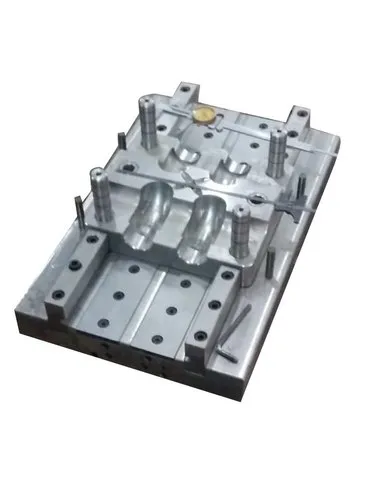
Smart wearable devices—such as fitness trackers, smartwatches, health monitors, and AR/VR headsets—are revolutionizing personal electronics and healthcare. These devices require compact, lightweight, and durable enclosures to protect sensitive electronic components while ensuring user comfort. Injection molding plays a vital role in manufacturing the housings and structural components of these wearables with high precision, scalability, and cost-efficiency.
Why Injection Molding for Smart Wearables?
Injection molding is ideal for smart wearables due to its ability to produce:
Complex geometries
Lightweight yet durable parts
Water-resistant and ergonomic designs
High-volume production at low per-unit cost
These capabilities make it suitable for both prototyping and mass production of smart device components.
Key Components Made with Injection Molding
Device Enclosures/Housings
Protect internal electronics
Made from materials like polycarbonate (PC), ABS, or TPU for strength and flexibility
Buttons & Interfaces
Precision-molded buttons for tactile feedback
Silicone or rubber materials for comfort and durability
Wearable Bands & Straps
Often overmolded with soft-touch materials for skin contact
Thermoplastic elastomers (TPEs) or liquid silicone rubber (LSR) used for comfort and flexibility
Sensor Integration Housings
Encapsulate biometric or motion sensors
Require tight tolerances and transparency (e.g., for optical sensors)
Materials Used in Injection Molding for Wearables
Polycarbonate (PC) – High impact resistance and optical clarity
Thermoplastic Polyurethane (TPU) – Flexible, skin-friendly, and abrasion-resistant
ABS (Acrylonitrile Butadiene Styrene) – Strong and lightweight
Liquid Silicone Rubber (LSR) – Biocompatible and suitable for skin contact
Nylon – Strong and lightweight, used in structural parts
Advanced Techniques in Injection Molding for Wearables
Overmolding
Combines hard plastic cores with soft outer layers (e.g., rubber grips on smart bands)
Improves comfort, grip, and aesthetics
Insert Molding
Allows for integration of metal or electronic components (e.g., battery contacts, antennae) during molding
Micro Injection Molding
Produces extremely small and precise parts, ideal for compact devices
Two-shot Molding
Molds two different materials or colors in a single cycle, often used for aesthetic and functional improvements
Design Considerations for Injection-Molded Wearables
Ergonomics: Must conform to human anatomy for comfort
Sealing: Design for water and dust resistance (e.g., IP67/IP68)
Material Compatibility: Ensure materials do not cause skin irritation or allergic reactions
Thermal Management: Manage heat from electronic components through vents or thermally conductive plastics
Benefits of Injection Molding in Smart Wearables
Scalability: Efficient for large-scale production
Cost-effective: Low cost per part in high volumes
Consistency: High repeatability and precision
Durability: Molded parts are strong and long-lasting
Customization: Allows for a variety of colors, textures, and finishes
Challenges and Considerations
Tooling Cost: High upfront cost for mold creation
Design Complexity: Requires careful design for undercuts, parting lines, and ejector pins
Material Limitations: Selection must balance flexibility, strength, and skin-friendliness
Conclusion
Injection molding is a cornerstone in the production of smart wearable devices. It enables manufacturers to create high-performance, ergonomic, and aesthetically appealing products that meet the demands of modern consumers. As the wearable tech industry continues to evolve, advancements in injection molding materials and techniques will further enhance the functionality and comfort of next-generation devices.