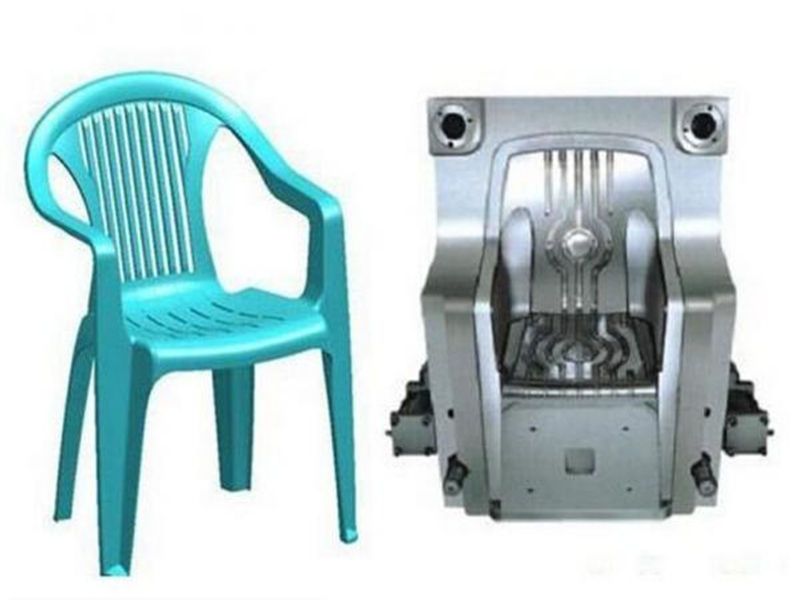
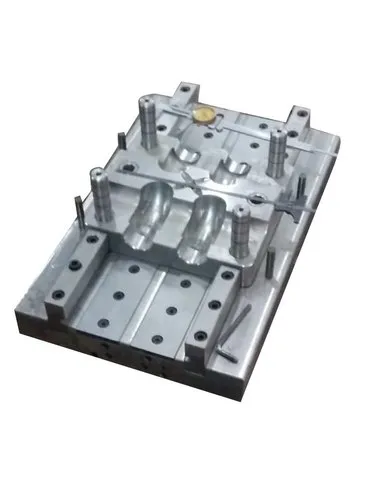
Marketing plastic furniture moulds to distributors requires a focused B2B strategy that highlights technical reliability, commercial value, and long-term partnership potential. Distributors look for moulds that deliver consistent quality, cost efficiency, and strong after-sales support. Effective marketing must therefore align product capabilities with distributor business objectives.
Understanding Distributor Expectations
Distributors prioritize moulds that are durable, versatile, and suitable for mass production. They expect:
Long mould life with minimal maintenance
Compatibility with commonly used injection moulding machines
Consistent output quality for chairs, tables, storage units, and outdoor furniture
Competitive pricing and attractive margins
Understanding regional market preferences—such as popular furniture designs or material choices—helps tailor offerings to distributor needs.
Product Positioning and Value Proposition
Clear positioning is essential to differentiate plastic furniture moulds in a competitive market. Key value points include:
High durability: Use of hardened tool steel and optimized cooling designs
Production efficiency: Reduced cycle time and low rejection rates
Design flexibility: Customizable designs for different furniture styles and sizes
Cost-effectiveness: Lower cost per part over the mould’s lifecycle
Communicating lifecycle cost savings rather than just initial price strengthens distributor confidence.
Technical Documentation and Demonstrations
Distributors rely on strong technical backing to sell moulds further downstream. Effective marketing tools include:
Detailed mould specifications and material recommendations
Sample moulded furniture components
Performance data such as cycle time, cavity balance, and expected mould life
Videos or live demonstrations showing mould operation and finish quality
These materials help distributors confidently present products to manufacturers.
Pricing Strategy and Commercial Terms
Distributor-friendly pricing structures encourage long-term collaboration:
Tiered pricing based on order volume
Exclusive territory or product-line agreements
Flexible payment terms for established distributors
Bundled offers including spare parts, inserts, or maintenance kits
Transparent pricing builds trust and reduces negotiation friction.
Branding and Credibility Building
Strong branding reassures distributors about product reliability:
Showcase certifications, quality standards, and testing processes
Highlight successful installations and customer testimonials
Emphasize years of experience in furniture mould manufacturing
Participate in trade fairs and industry exhibitions
A credible brand reduces perceived risk for distributors when introducing new moulds to their market.
Digital and Offline Marketing Channels
A multi-channel approach improves distributor reach:
Professional website with downloadable brochures and case studies
Email marketing focused on new mould designs and upgrades
LinkedIn and industry portals for B2B visibility
Direct sales meetings and distributor workshops
Combining digital presence with personal engagement is especially effective in industrial markets.
After-Sales Support as a Marketing Tool
Strong after-sales support is often a decisive factor for distributors:
Installation and commissioning support
Operator training and maintenance guidance
Quick availability of spare parts
Technical troubleshooting and process optimization support
Distributors prefer suppliers who act as long-term partners rather than one-time sellers.
Market Feedback and Continuous Improvement
Engaging distributors for feedback helps refine both products and marketing:
Insights into customer pain points and design trends
Feedback on pricing competitiveness
Suggestions for new furniture mould designs
Using distributor feedback strengthens relationships and keeps offerings market-relevant.
Conclusion
Marketing plastic furniture moulds to distributors goes beyond promoting product features. Success depends on demonstrating technical excellence, commercial value, reliability, and partnership commitment. By aligning product strengths with distributor expectations and supporting them with strong branding, documentation, and after-sales service, mould manufacturers can build a sustainable and profitable distribution network.