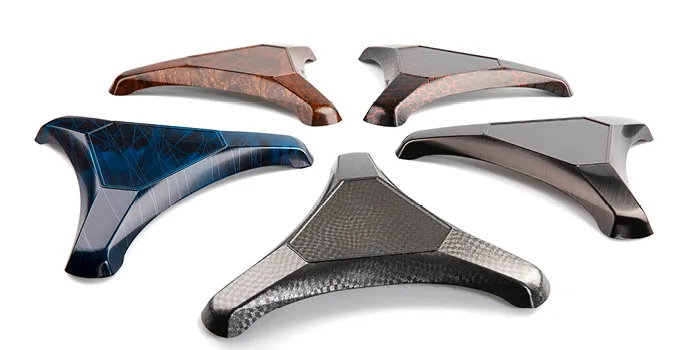
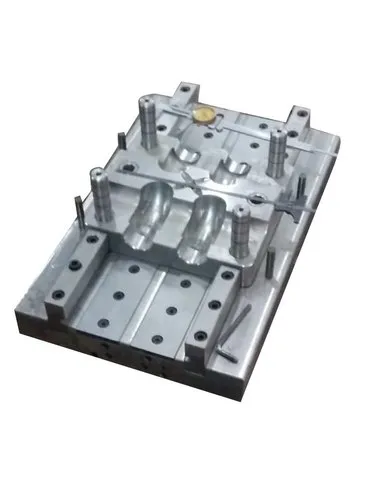
Mold surface finishing plays a vital role in the manufacturing process of automotive parts. The quality of the mold finish directly affects the appearance, functionality, and durability of the final product. Automotive components often require high-quality finishes, not only for aesthetic reasons but also for improved performance and longevity. Various surface finishing techniques are employed to ensure that the molded automotive parts meet stringent quality standards and performance requirements.
1. Polishing
Polishing is one of the most common methods used to improve the surface finish of automotive parts. This process involves using abrasive materials to smooth the mold surface, resulting in a shiny, reflective finish. It is often applied to decorative parts such as trim, mirror housings, and other components where aesthetics are important. Polishing can be performed using various tools such as rotary polishing machines, air-driven tools, or manual buffing, depending on the complexity and size of the parts.
Advantages:
Enhances surface appearance
Provides a high gloss, reflective finish
Reduces the appearance of surface imperfections
Applications:
Exterior vehicle parts
Trim components
Decorative moldings
2. Texturing
Texturing involves creating a specific surface pattern on the mold using tools such as abrasive pads or laser engraving. This technique is often used to create non-reflective finishes, which can be beneficial for parts that are prone to showing fingerprints or that need to minimize glare. The textured surface also helps to improve the grip or tactile feel of certain components.
Advantages:
Reduces glare and reflections
Enhances grip and tactile feedback
Helps hide fingerprints and scratches
Applications:
Interior automotive components
Handles, knobs, and buttons
Non-reflective parts
3. Anodizing
Anodizing is an electrochemical process that enhances the natural oxide layer of aluminum and other non-ferrous metals. This process not only improves the surface finish but also increases the material’s corrosion resistance. For automotive parts, anodizing is commonly used for aluminum parts, such as engine components, frames, and wheels.
Advantages:
Improves corrosion resistance
Provides a durable, scratch-resistant finish
Offers aesthetic color options
Applications:
Aluminum parts
Engine components
Structural parts
4. Chrome Plating
Chrome plating is widely used in automotive applications for parts that require a highly reflective, durable surface. This involves applying a layer of chromium to the mold surface to enhance its appearance and durability. Chrome plating is especially common on bumpers, grills, and wheel rims. It provides excellent resistance to corrosion and wear.
Advantages:
High corrosion and wear resistance
Provides a reflective, mirror-like finish
Enhances part durability
Applications:
Grills and bumpers
Rims and wheels
Decorative trim
5. Electroplating
Electroplating is a method used to apply a thin layer of metal onto the surface of a molded part, improving its appearance and performance. This process can be used to enhance the surface finish, provide corrosion resistance, and improve wear resistance. Common metals used in electroplating for automotive parts include nickel, copper, and gold.
Advantages:
Enhanced corrosion resistance
Improved hardness and wear resistance
Better surface finish and appearance
Applications:
Automotive electrical connectors
Engine components
Decorative parts
6. Vacuum Metallizing
Vacuum metallizing involves depositing a thin metallic layer onto a substrate using a vacuum process. This technique is often used in the automotive industry to create metallic finishes on plastic parts, such as interior and exterior automotive components. Vacuum metallizing can achieve a chrome-like finish and provides both aesthetic appeal and enhanced durability.
Advantages:
Lightweight compared to solid metal parts
Aesthetic metallic finish
Cost-effective compared to traditional metal parts
Applications:
Interior parts (dashboard elements)
Exterior parts (mirror housings)
Trim and badges
7. Ceramic Coating
Ceramic coatings are used to improve the durability and performance of automotive parts. These coatings provide high resistance to heat, wear, and corrosion. Ceramic coatings are especially beneficial for engine parts, exhaust systems, and other components exposed to high temperatures. They also improve the part’s surface finish, making it smoother and easier to clean.
Advantages:
High heat resistance
Excellent wear and corrosion resistance
Reduced friction on metal surfaces
Applications:
Exhaust systems
Turbochargers
Brake components
8. Laser Etching
Laser etching involves using a focused laser beam to etch designs or patterns onto a surface. It is commonly used to add serial numbers, logos, or other permanent markings on automotive parts. This technique allows for precise and detailed markings without damaging the underlying material.
Advantages:
Precision and accuracy
Permanent marking
No need for additional consumables like inks or dyes
Applications:
Branding and logos
Serial numbers
Identification markers
9. Plasma Treatment
Plasma treatment is a surface modification technique that uses ionized gases to clean, etch, or activate the surface of the molded part. It improves the adhesion of coatings or paints to the part surface, and it can also be used to improve the hydrophobic or oleophobic properties of automotive parts. Plasma treatment is commonly used for plastic parts, especially in painting applications.
Advantages:
Improves adhesion of coatings
Enhances surface energy properties
Can clean and activate surfaces
Applications:
Plastic automotive parts
Paint adhesion
Functional coatings
10. Heat Treatment
Heat treatment involves applying controlled heating and cooling processes to alter the properties of a part’s surface. For automotive parts, heat treatment is often used to enhance hardness, improve wear resistance, and increase strength. It is particularly useful for parts that need to withstand heavy wear or high loads, such as gears and transmission components.
Advantages:
Increased strength and hardness
Improved wear resistance
Customizable properties based on part requirements
Applications:
Gears and shafts
Engine components
Transmission parts
Conclusion
Mold surface finishing techniques are essential for enhancing the functionality and appearance of automotive parts. These finishing processes not only help to meet aesthetic expectations but also improve the performance and durability of the components. By selecting the appropriate finishing technique based on the material, intended use, and environmental factors, manufacturers can ensure the production of high-quality automotive parts that meet both consumer expectations and industry standards.