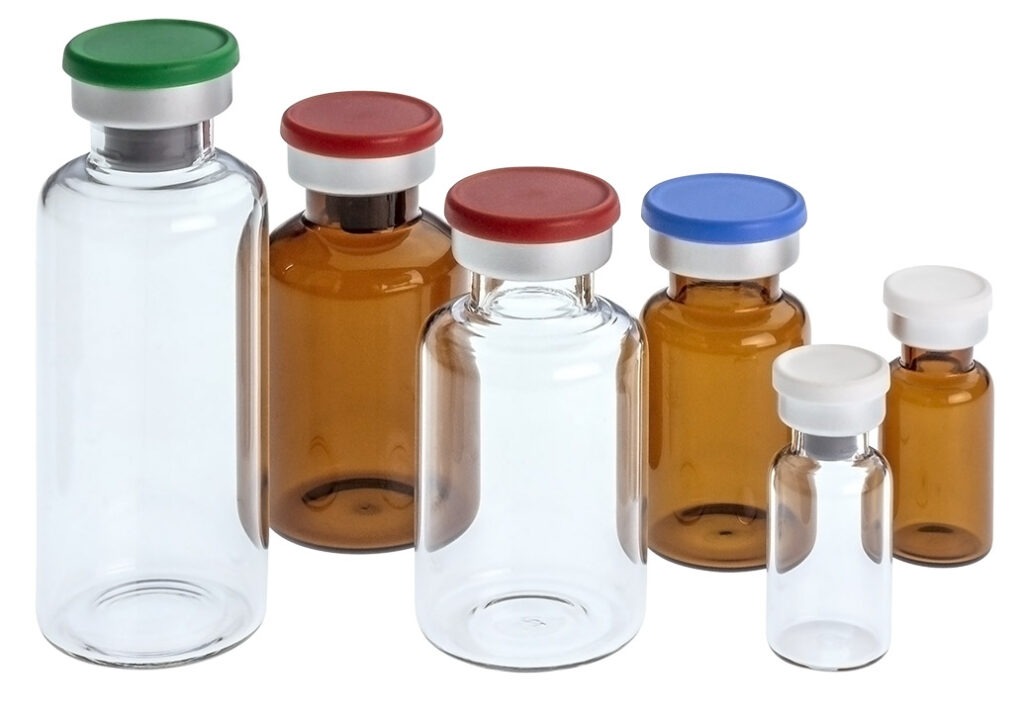
Pharmaceutical closures, often referred to as container-closure systems, are a critical component in drug packaging. These closures ensure that pharmaceutical products remain sterile, stable, and effective throughout their shelf life. Achieving safety and regulatory compliance in pharmaceutical closures is essential for patient protection and product integrity.
1. Importance of Pharmaceutical Closures
Pharmaceutical closures serve multiple essential functions:
Protection from contamination (microbial, particulate, or chemical)
Maintaining sterility and product integrity
Preventing leakage or evaporation
Ensuring correct dosage delivery
Common closure systems include rubber stoppers, aluminum seals, screw caps, flip-off seals, and tamper-evident systems, depending on the drug form and container type (e.g., vials, bottles, ampoules).
2. Safety Considerations
To ensure product safety, closures must meet rigorous standards:
a. Material Safety
Non-toxicity: Materials must not leach harmful substances into the drug product.
Compatibility: They must not react with the drug formulation.
Sterilizability: Materials must withstand sterilization (e.g., steam, gamma irradiation) without degradation.
b. Microbial Barrier
Closures, particularly for parenteral drugs, must form an effective microbial barrier to maintain sterility until administration.
c. Particulate Control
The generation of particulates, especially from rubber components, must be minimized through careful material selection and surface treatments (e.g., coatings or washes).
3. Compliance with Regulatory Standards
Regulatory agencies like the FDA, EMA, and USP set stringent guidelines for pharmaceutical closures to ensure public safety.
a. USP <381> / <382> / <661> / <1207>
USP <381>: Previously covered rubber closures, now replaced by updated chapters:
USP <382>: Applies to elastomeric components used in injectable packaging systems.
USP <661> & <661.1>/<661.2>: Focus on plastic packaging materials and containers.
USP <1207>: Addresses container closure integrity testing (CCIT), which is critical for sterile product assurance.
b. FDA Guidelines
The FDA requires that closures must not compromise the quality, safety, or efficacy of the drug. Detailed data on closure compatibility, extractables/leachables, and integrity must be submitted during drug approval processes.
c. ISO and ICH Standards
ISO 8362: Pertains to injection vials and closures.
ICH Q3D: Addresses elemental impurities, including those potentially leached from closures.
4. Container Closure Integrity Testing (CCIT)
Ensuring that the closure maintains a hermetic seal is vital. CCIT methods include:
Vacuum decay
Helium leak detection
High-voltage leak detection (HVLD)
Dye ingress testing (qualitative)
Regulators now favor deterministic CCIT methods over probabilistic ones due to their higher accuracy and reproducibility.
5. Trends and Innovations
With growing complexity in biologics and personalized medicine, closure technologies are evolving:
Coated elastomers to reduce interaction with sensitive biologics
Smart closures with embedded NFC or RFID tags for track-and-trace systems
Tamper-evident and child-resistant designs for enhanced patient safety
Single-use systems in aseptic processing to minimize contamination risks
6. Conclusion
Pharmaceutical closures are more than just packaging accessories—they are integral to drug safety, stability, and compliance. Choosing the right closure system involves a detailed understanding of material science, regulatory expectations, and product-specific needs. As the pharmaceutical landscape advances, ensuring that closures meet the highest standards of safety and compliance remains a top priority for manufacturers and regulators alike.