1. Introduction
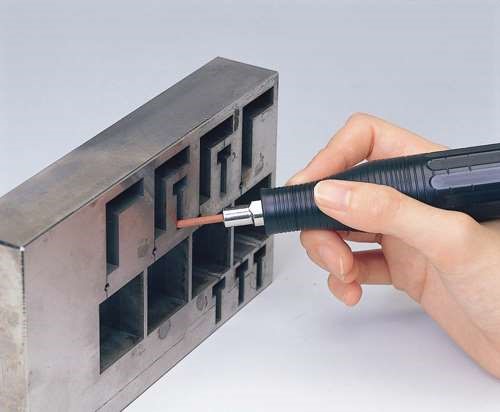
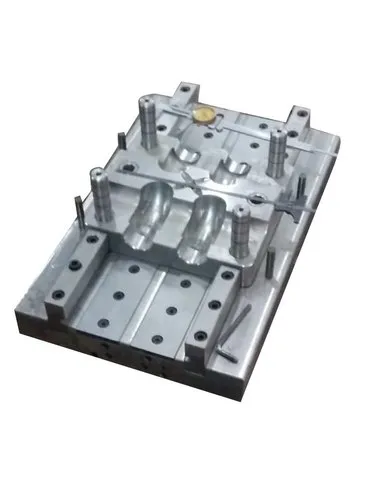
Polishing and surface finishing of mould cavities are critical processes in the mould-making industry, especially in plastic injection moulding and die casting. These processes significantly influence the quality, aesthetics, and performance of the final product. A well-polished mould cavity ensures better part release, reduces cycle times, and enhances the surface finish of the moulded component.
2. Objectives of Polishing
Improve Aesthetic Appearance of the final part.
Enhance Release Properties to facilitate easier ejection.
Reduce Friction between the mould and the part.
Prevent Material Build-up or sticking.
Ensure Dimensional Accuracy and maintain tolerances.
Prepare the Surface for coatings, if any (e.g., PVD, nitriding).
3. Levels of Surface Finish
Surface finishes are typically defined using Ra (Roughness Average) values or mirror-class standards. Common levels include:
| Finish Type | Ra (μm) | Description |
|---|---|---|
| Rough Machined | >3.2 | Tool marks visible |
| Semi-finished | 1.6 – 3.2 | Fine tool marks, minimal polishing |
| Commercial Polish | 0.8 – 1.6 | Basic smooth finish |
| Fine Polish | 0.2 – 0.8 | Smooth surface, minimal scratches |
| Mirror Polish | <0.2 | Reflective surface, no scratches |