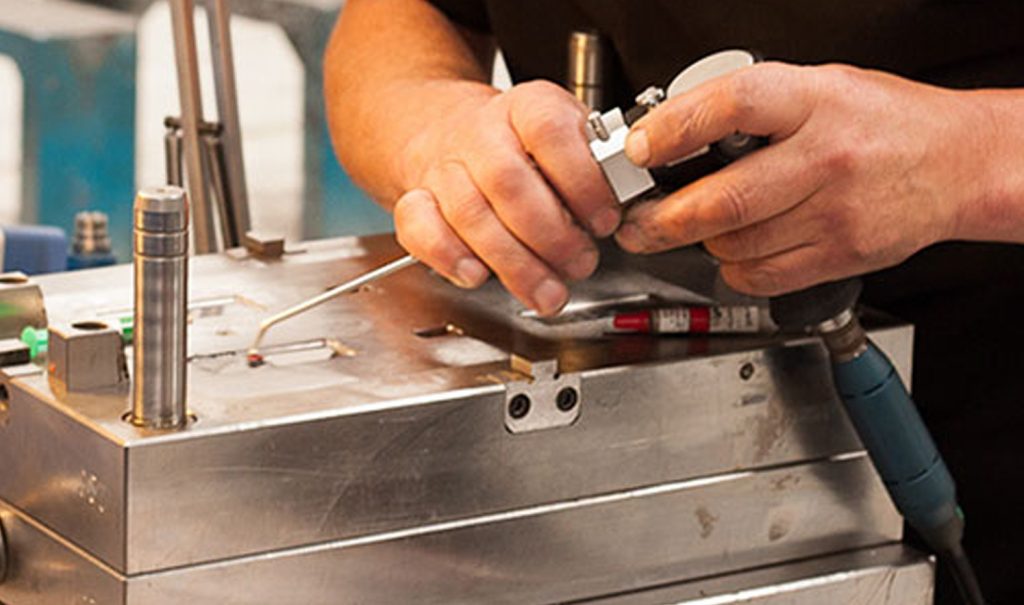
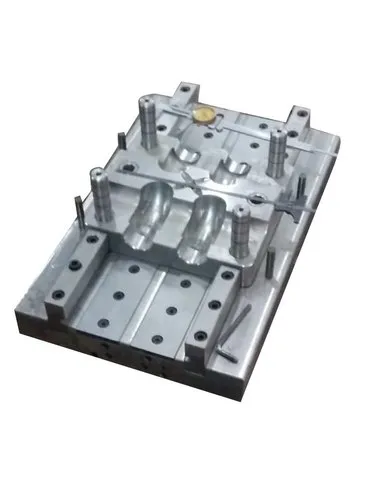
In the competitive landscape of the automotive industry, ensuring high product quality and reducing downtime are top priorities. Automotive molds—used in manufacturing components like bumpers, dashboards, and lighting assemblies—are critical tools in this process. Predictive maintenance (PdM) offers a proactive approach to maintaining these molds, using data-driven insights to anticipate failures before they occur.
What is Predictive Maintenance?
Predictive Maintenance is a maintenance strategy that uses real-time data, historical information, and advanced analytics to predict equipment failures. Unlike reactive maintenance (repairing after failure) or preventive maintenance (scheduled servicing), PdM allows for maintenance activities to be performed only when necessary, minimizing unplanned downtime and extending equipment life.
Why Predictive Maintenance for Automotive Molds?
High-Precision Requirements
Molds require tight tolerances to ensure part quality. Wear or deformation can compromise final product integrity.Cost of Downtime
Unscheduled downtime due to mold failure can halt production lines, resulting in significant financial losses.Mold Longevity
PdM can extend the usable life of molds by identifying and addressing early signs of wear or stress.Improved Efficiency
Optimizing mold maintenance schedules can increase operational efficiency and throughput.
Key Technologies Enabling Predictive Maintenance
Sensors and IoT Devices
Embedded sensors monitor temperature, pressure, vibration, and usage cycles.
Real-time data collection provides a comprehensive view of mold health.
Data Analytics and Machine Learning
Algorithms analyze trends and anomalies in sensor data to predict potential failures.
Models improve over time with more data, increasing prediction accuracy.
Digital Twin Technology
Creates a virtual replica of the mold to simulate wear and performance in various scenarios.
Enhances predictive capabilities and scenario planning.
Cloud Computing & Edge Computing
Allows for centralized data processing and storage.
Edge computing supports faster decision-making at the machine level.
Implementation Steps
Assessment of Mold Systems
Identify critical molds and components.
Evaluate current maintenance strategies.
Sensor Integration
Install IoT-enabled sensors for data collection.
Ensure compatibility with existing equipment.
Data Infrastructure Setup
Establish data storage and processing systems.
Implement cybersecurity protocols for data protection.
Analytics and Machine Learning Deployment
Train models on historical and live data.
Customize alerts and dashboards for maintenance teams.
Maintenance Scheduling and Optimization
Integrate predictive outputs with maintenance planning.
Automate alerts and work orders.
Benefits of Predictive Maintenance in Automotive Molding
Reduced Downtime: Early warnings prevent unexpected mold failures.
Cost Savings: Lower repair costs and reduced scrap rates.
Extended Tool Life: Proactive actions extend mold lifespan.
Improved Quality Control: Consistent mold performance leads to fewer defects.
Enhanced Safety: Predicting and preventing failures reduces risks for operators.
Case Study Example (Optional to Include)
An automotive OEM implemented a predictive maintenance system across its injection molding tools. Within 6 months, the company reported a 30% reduction in unplanned downtime and a 20% increase in mold life expectancy.
Challenges and Considerations
Initial Investment: High upfront cost for sensors, software, and integration.
Data Management: Requires robust data governance and storage solutions.
Skill Requirements: Maintenance teams need training in digital tools and analytics.
Change Management: Shifting from reactive/preventive to predictive culture takes time and alignment.
Conclusion
Predictive maintenance for automotive molds is a transformative strategy that aligns with the industry’s push towards smart manufacturing and Industry 4.0. By leveraging technology to foresee and forestall mold-related issues, manufacturers can achieve greater productivity, quality, and competitiveness.