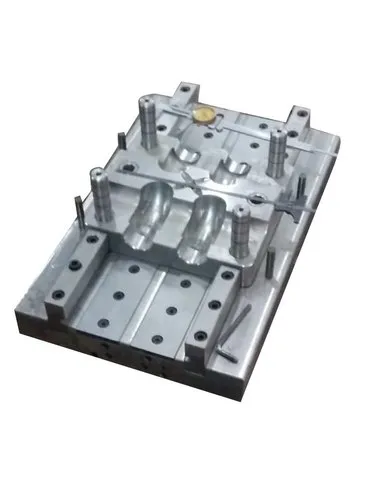
PVC (Polyvinyl Chloride) is a widely used thermoplastic in industries like construction, automotive, and consumer goods. To ensure the desired appearance, texture, and performance of molded PVC parts, surface finishing of the mold itself plays a critical role. Surface finishing not only affects the aesthetic quality of the final product but also impacts mold release, wear resistance, and production efficiency.
1. Importance of Mold Surface Finishing
Improves surface quality of PVC products
Facilitates easy demolding
Enhances mold durability and longevity
Controls gloss and texture of the final part
Reduces maintenance and cleaning time
2. Common Surface Finishing Techniques for PVC Molds
a. Polishing
Purpose: Achieve a smooth or mirror-like finish
Methods: Mechanical polishing using abrasives, buffing wheels, or diamond pastes
Applications: High-gloss PVC parts such as consumer goods and medical components
Consideration: Too high a polish may increase sticking in some PVC formulations
b. Sandblasting (Abrasive Blasting)
Purpose: Create a matte or satin finish
Media Used: Aluminum oxide, glass beads, or plastic beads
Applications: Reduces part sticking, enhances paint adhesion
Advantage: Good for achieving consistent texture over large surfaces
c. EDM Texturing (Electrical Discharge Machining)
Purpose: Add detailed textures or patterns directly on the mold surface
Benefit: Precision control of surface roughness
Applications: Grained or textured PVC parts (automotive interiors, handles, etc.)
d. Chemical Etching
Purpose: Transfer complex patterns (e.g., leather grain, wood grain)
Method: Photochemical etching using masks and acid-resistant coatings
Advantages: High consistency and repeatability
Ideal For: Decorative finishes on consumer products and dashboards
e. Chrome Plating / Nickel Plating
Purpose: Improve hardness, corrosion resistance, and ease of demolding
Applications: High-wear molds or molds exposed to corrosive plasticizers in PVC
Bonus: Enhances appearance and prevents pitting
f. Laser Texturing
Purpose: Create micro-structured surfaces with high precision
Applications: Fine details or unique branding textures
Advantage: Non-contact method with excellent reproducibility
3. Surface Finish Standards
SPI (Society of the Plastics Industry) Finish Scale: Commonly used to classify mold surface finishes (A-1 for high gloss, D-3 for rough textures)
VDI 3400 Standard: Used for defining surface textures mainly in European tooling
4. Considerations for PVC Molding
PVC can be corrosive to molds due to the presence of chlorine – proper surface treatment (like chrome plating) is essential.
Demolding challenges may arise with high-gloss finishes – sometimes textured surfaces offer better release properties.
Thermal conductivity of the finish layer can influence cycle times – polished surfaces may cool slower.
5. Maintenance of Mold Finishes
Regular cleaning with non-abrasive agents to avoid finish degradation
Inspection for pitting or wear especially if processing rigid or filled PVC
Re-polishing or re-texturing periodically depending on production volume
Conclusion
Choosing the right surface finishing technique for PVC molds is crucial for ensuring part quality, production efficiency, and mold life. Whether the goal is a glossy consumer product or a textured automotive interior part, the mold finish must align with both aesthetic and functional requirements. A combination of proper technique selection and regular maintenance guarantees optimal results in PVC molding operations.