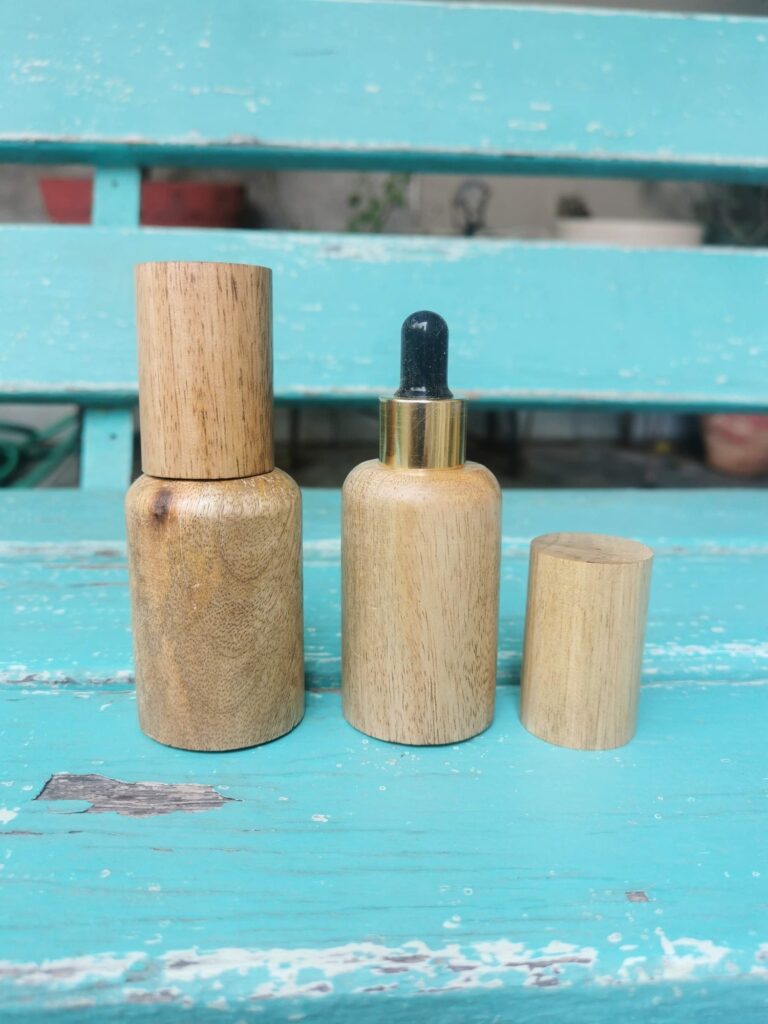
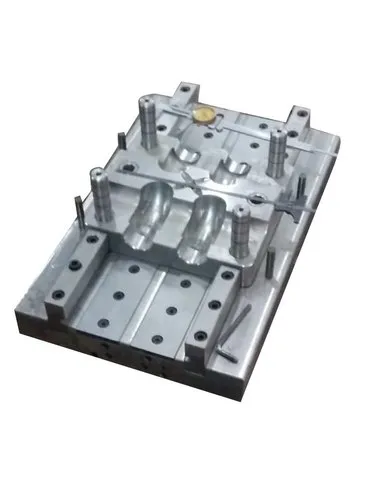
As environmental consciousness grows among consumers, the cosmetics industry is increasingly turning toward sustainable packaging solutions. One of the key areas of focus is moulding — the process of forming packaging components such as compacts, jars, tubes, and bottles. Choosing recyclable and eco-friendly moulding materials and processes is essential for reducing the environmental footprint of beauty products. Here’s a detailed look at the current trends and options in this space.
1. Recyclable Plastics
a. Polyethylene Terephthalate (PET)
Characteristics: Lightweight, clear, and strong.
Sustainability: Fully recyclable; commonly accepted in municipal recycling streams.
Use: Widely used for bottles, pumps, and jars.
b. High-Density Polyethylene (HDPE)
Characteristics: Opaque, durable, and chemical-resistant.
Sustainability: Easily recycled and reused in non-cosmetic applications.
Use: Ideal for lotion bottles and larger containers.
c. Polypropylene (PP)
Characteristics: Resistant to heat and moisture.
Sustainability: Increasingly recyclable; can be reused for a variety of applications.
Use: Caps, jars, and certain makeup components.
2. Bioplastics
Bioplastics are derived from renewable sources like corn starch, sugarcane, and cellulose.
a. Polylactic Acid (PLA)
Sustainability: Compostable under industrial conditions.
Limitations: Not suitable for high-heat or high-moisture applications.
Use: Compact cases, outer shells, and disposable cosmetic applicators.
b. Sugarcane-Based PE (Bio-PE)
Characteristics: Chemically identical to conventional polyethylene.
Sustainability: Derived from a renewable resource and recyclable.
Use: Tubes, bottles, and closures.
3. Post-Consumer Recycled (PCR) Plastics
PCR plastics are made from recycled materials collected from consumer waste, reducing the need for virgin plastic production.
Benefits: Reduces landfill waste and carbon footprint.
Challenges: Slight color and texture variations; regulatory concerns in some markets.
Use: Widely used in bottles, jars, and compact packaging.
4. Moulding with Natural and Biodegradable Materials
Some companies are innovating with non-plastic materials that are both biodegradable and compostable.
a. Bamboo
Sustainability: Fast-growing, biodegradable, and naturally antimicrobial.
Use: Mascara wands, compacts, and brush handles.
b. Paper-Based and Pulp Moulding
Sustainability: 100% recyclable and compostable.
Use: Outer packaging, trays, and container linings.
c. Mushroom Packaging (Mycelium)
Emerging Trend: Grown using agricultural waste and mycelium roots.
Sustainability: Compostable and suitable for protective packaging.
Use: Limited in cosmetics but growing in popularity.
5. Innovative Moulding Techniques
New manufacturing processes are also making cosmetic moulding more eco-friendly:
Injection Moulding with Recycled Feedstock: Minimizes waste during production.
Low-Energy Moulding: Uses less heat and electricity, reducing emissions.
Modular Moulds: Designed for disassembly and recycling at end of life.
6. Challenges and Considerations
Consumer Education: Not all recyclable packaging is recycled unless properly disposed of.
Compatibility: Bioplastics and alternative materials must meet performance standards for cosmetic safety and shelf life.
Regulations: Compliance with cosmetic packaging regulations is essential, especially when using novel materials.
7. Industry Examples
Lush: Uses recycled and recyclable packaging for many of its products.
L’Oréal: Has introduced packaging made from 100% recycled plastic.
Aveda: Pioneered the use of PCR plastics and bioresins in cosmetic packaging.
Conclusion
Sustainable moulding in cosmetics is a fast-evolving field, driven by both innovation and consumer demand. Brands that invest in recyclable and eco-friendly moulding options not only reduce their environmental impact but also gain a competitive edge by aligning with the values of modern consumers. As technologies improve and recycling infrastructure expands, the future of cosmetic packaging looks greener than ever.