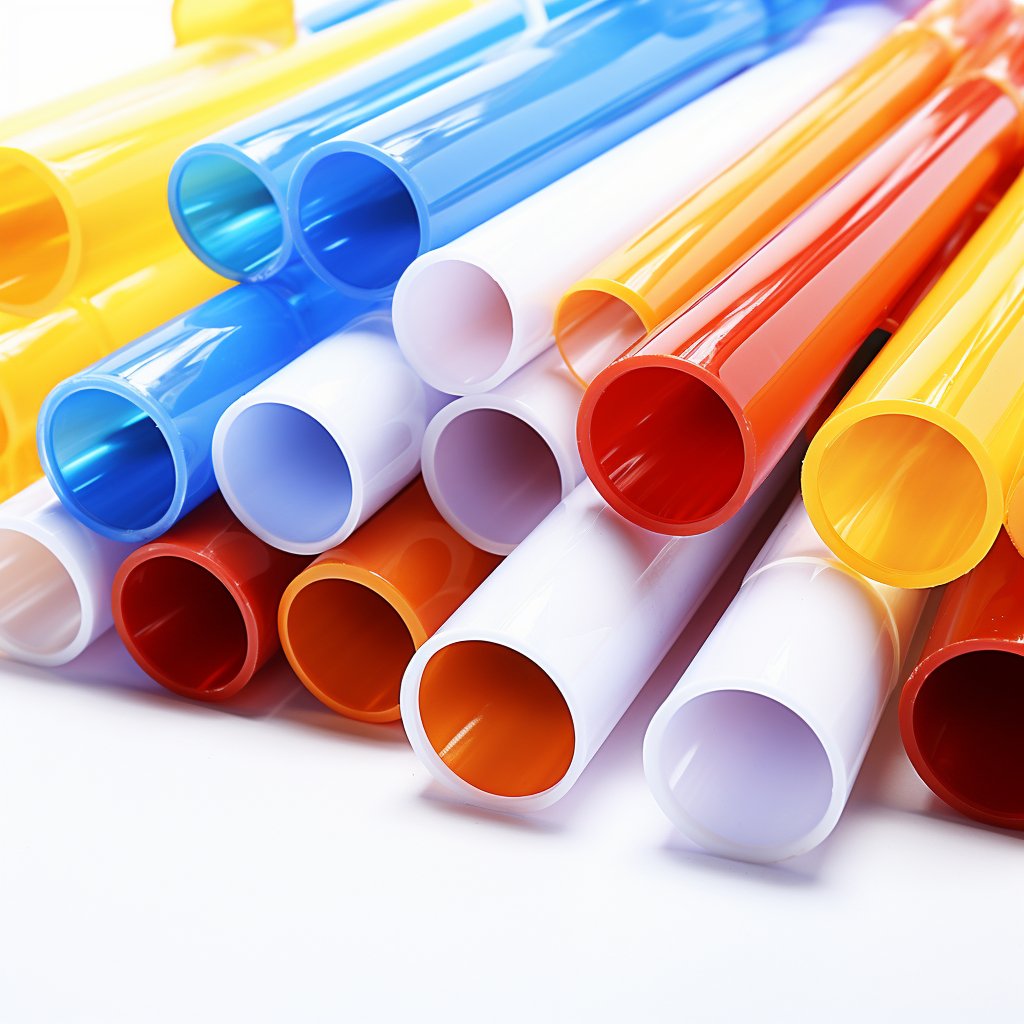
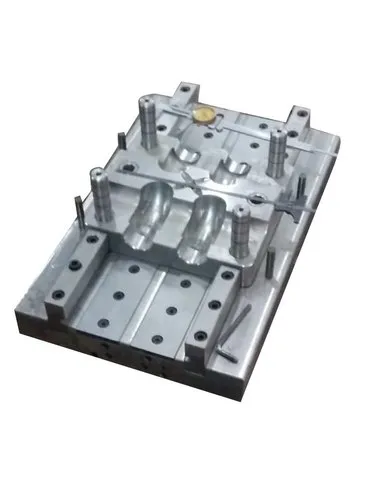
Polyvinyl Chloride (PVC) is a widely used thermoplastic polymer found in a variety of molded products, including pipes, window frames, flooring, and consumer goods. Despite its versatility, PVC presents significant challenges for recycling due to the presence of additives like plasticizers, stabilizers, and pigments. Effective recycling strategies are critical to reduce environmental impact and promote sustainable material usage.
1. Mechanical Recycling
Mechanical recycling is the most common method for PVC recycling and involves physical processing without altering the chemical structure.
Steps:
Collection and Sorting: Segregation of PVC from other plastics, often using infrared spectroscopy or density separation.
Shredding and Grinding: PVC molded products are broken down into smaller flakes or granules.
Washing: Removal of contaminants such as labels, adhesives, and dirt.
Reprocessing: Melted and remolded into new products, often for non-critical applications due to potential degradation of properties.
Challenges:
Degradation of PVC during repeated thermal processing.
Contamination from additives and other plastics.
Limited to relatively pure, homogeneous PVC waste streams.
2. Feedstock (Chemical) Recycling
Feedstock recycling involves breaking down PVC into its chemical constituents for reuse.
Techniques:
Pyrolysis: Heating in the absence of oxygen to break down PVC into hydrocarbons.
Hydrolysis or Gasification: High-temperature processes that convert PVC into basic chemicals or syngas.
Benefits:
Can handle mixed or contaminated PVC waste.
Recovers valuable chemicals and energy.
Drawbacks:
High energy input.
Emission of hazardous substances like hydrochloric acid (HCl) and dioxins.
Requires specialized equipment and facilities.
3. Solvent-Based Recycling
Solvent-based processes selectively dissolve PVC and separate it from additives and impurities.
Process:
Dissolution of PVC in a suitable solvent.
Filtration and separation of additives/fillers.
Precipitation and recovery of purified PVC resin.
Advantages:
Produces high-purity recycled PVC.
Can remove problematic additives and plasticizers.
Limitations:
Solvent recovery and reuse are essential to minimize environmental impact.
Cost and complexity of solvents and processes.
4. Vinyloop® Process (Discontinued but Noteworthy)
The Vinyloop® process was a solvent-based PVC recycling method developed in Europe, which allowed for the production of high-quality recycled PVC.
Key Features:
Closed-loop solvent system.
High-quality output suitable for demanding applications.
Although the process has been phased out due to economic and regulatory challenges, it demonstrated the technical feasibility of high-purity PVC recycling.
5. Energy Recovery (Incineration with Energy Capture)
In some cases, incinerating PVC waste in waste-to-energy plants is considered, particularly when other recycling methods are not viable.
Considerations:
Requires advanced flue gas treatment to capture HCl and other toxic emissions.
Not a true form of recycling—materials are not recovered, only energy.
6. Emerging and Innovative Approaches
Enzymatic Recycling: Experimental techniques exploring enzymes that can selectively degrade plasticizers or additives.
Design for Recycling: Developing PVC products with fewer additives and modular designs to ease disassembly and sorting.
Recycling Blends: Combining recycled PVC with virgin resin or other polymers to enhance performance in secondary applications.
7. Applications of Recycled PVC
Recycled PVC can be used in:
Construction materials (e.g., piping, flooring, profiles).
Automotive parts.
Packaging.
Garden hoses and mats.
Due to potential degradation and contamination, many of these are non-critical applications.
Conclusion
Recycling PVC molded products is a complex but increasingly vital component of sustainable materials management. While mechanical recycling is the most established, advanced chemical and solvent-based methods offer promising alternatives for higher purity recovery. Overcoming technical, economic, and environmental challenges requires a combination of innovation, regulation, and industry cooperation.