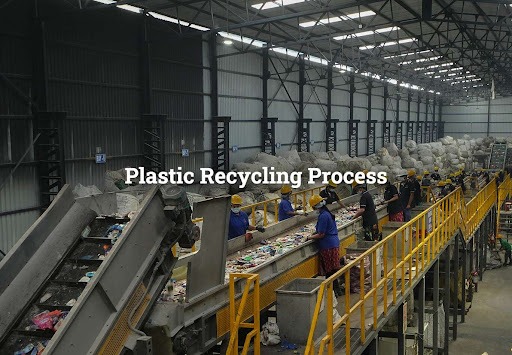
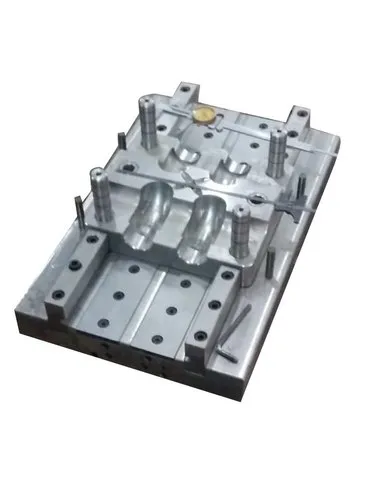
Polyvinyl chloride (PVC) is a widely used plastic in various industries including construction, automotive, medical devices, and consumer goods. Its versatility and low cost make it a popular material in high-volume manufacturing. However, the production and disposal of PVC contribute significantly to environmental concerns, particularly due to its non-biodegradable nature and the harmful chemicals involved in its lifecycle. As sustainability becomes a critical focus for manufacturers, reducing PVC waste is both an environmental necessity and a business opportunity.
Key Sources of PVC Waste in Manufacturing
Production Overruns and Offcuts: During extrusion, molding, or cutting processes, excess material is often trimmed and discarded.
Defective Products: Quality control issues can lead to the disposal of entire batches.
Tooling and Setup Waste: Initial runs during setup phases typically generate waste until optimal settings are reached.
Packaging and Shipping: PVC is also used in packaging materials that may not be recovered or reused.
Strategies for Reducing PVC Waste
1. Process Optimization
Lean Manufacturing Techniques: Adopting lean principles such as just-in-time production and continuous improvement (Kaizen) can reduce overproduction and scrap.
Advanced Machinery: Investing in precision equipment minimizes offcuts and improves yield.
Closed-Loop Systems: Using systems that reintroduce trimmed or scrap PVC back into the production cycle significantly reduces waste.
2. Material Recovery and Recycling
In-House Recycling: Regrinding PVC scraps and feeding them back into production can reduce the need for virgin materials.
Partnerships with Recyclers: Collaborating with specialized recycling firms ensures off-site waste is processed responsibly.
Separation Technologies: Efficient separation of PVC from other materials improves recyclability.
3. Design for Minimal Waste
Product Redesign: Engineering products to use less PVC or to be modular can minimize material usage.
Digital Prototyping: Utilizing CAD and simulation tools helps reduce trial-and-error prototyping waste.
4. Alternative Materials
PVC Alternatives: Where feasible, consider materials with lower environmental impact such as thermoplastic elastomers (TPE), polyethylene (PE), or bio-based plastics.
Hybrid Materials: Combining PVC with recycled or natural materials can reduce the volume of pure PVC used.
5. Employee Training and Engagement
Educating workers on efficient material use and proper waste handling promotes a culture of sustainability.
Incentivizing waste reduction goals can lead to measurable improvements on the shop floor.
Benefits of Reducing PVC Waste
Environmental Impact: Reduced landfill use and lower carbon emissions.
Cost Savings: Lower raw material costs and potential revenue from recycled material sales.
Regulatory Compliance: Staying ahead of tightening environmental regulations and standards.
Brand Reputation: Demonstrating environmental responsibility strengthens brand loyalty and appeal to eco-conscious consumers.
Conclusion
Reducing PVC waste in high-volume manufacturing is not only a sustainable practice but also a smart business strategy. By integrating better design practices, optimizing production, and embracing recycling and recovery, manufacturers can significantly decrease their environmental footprint while enhancing efficiency and profitability. As the global push for circular economies gains momentum, businesses that lead in waste reduction will be better positioned for long-term success.