1. Introduction
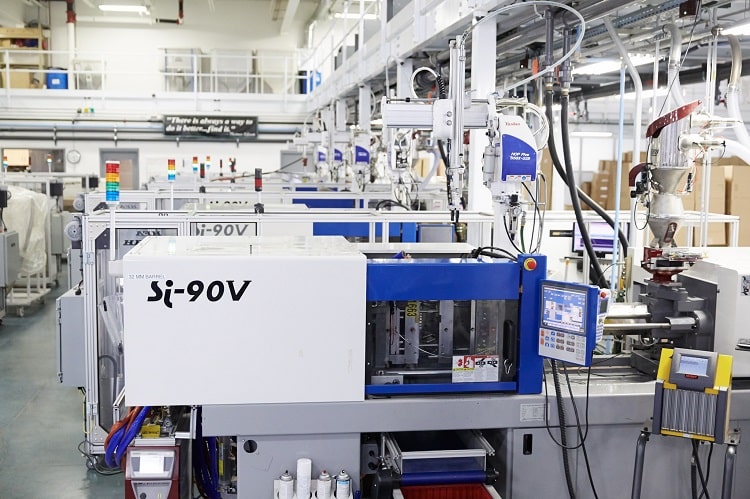
Injection moulding is a widely used manufacturing process for producing plastic parts with high precision and efficiency. However, traditional injection moulding processes often rely heavily on operator experience, fixed cycle times, and offline quality checks. To address these limitations, the industry is increasingly turning toward smart injection moulds equipped with embedded sensors.
Smart injection moulds integrate advanced sensor technologies to monitor, analyze, and optimize the moulding process in real-time. These innovations contribute significantly to Industry 4.0 initiatives by enabling data-driven decision-making, predictive maintenance, and enhanced quality control.
2. What Are Smart Injection Moulds?
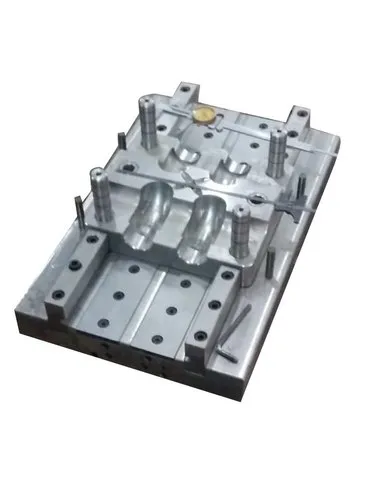
Smart injection moulds are conventional moulds enhanced with embedded sensors and data acquisition systems that allow for real-time monitoring of key parameters such as:
Temperature
Pressure
Flow rate
Humidity
Mould cavity deformation
Vibration
These sensors provide continuous feedback, enabling better control over the moulding process and improving part quality and operational efficiency.
3. Types of Sensors Used
1. Pressure Sensors
Measure cavity pressure during injection and packing phases.
Help in optimizing holding pressure and switch-over points.
Ensure consistent part quality and reduce flash or short shots.
2. Temperature Sensors
Monitor temperature inside the mould cavity and cooling channels.
Enable optimized cooling cycles, reducing warpage and cycle time.
3. Strain Gauges
Measure stress and deformation in mould components.
Useful for structural health monitoring and preventive maintenance.
4. Flow Sensors
Monitor coolant flow to ensure effective heat removal.
Detect blockages or leakage in cooling lines.
5. Accelerometers & Vibration Sensors
Detect abnormal vibrations, indicating mechanical issues or misalignment.
6. Humidity Sensors (Optional)
Relevant for hygroscopic materials to prevent moisture-related defects.
4. Benefits of Embedded Sensors in Injection Moulds
| Benefit | Description |
|---|---|
| Improved Product Quality | Real-time data helps maintain consistent processing conditions. |
| Reduced Scrap Rates | Immediate detection of process deviations prevents defective parts. |
| Predictive Maintenance | Early detection of wear and anomalies extends mould life. |
| Cycle Time Optimization | Data-driven insights help minimize cycle times without compromising quality. |
| Process Traceability | Complete data logs allow traceability and easier troubleshooting. |
| Energy Efficiency | Optimized cycle times and temperature control reduce energy usage. |