1. Introduction
Plastic furniture moulding is a fast-growing manufacturing business driven by demand for lightweight, durable, cost-effective, and weather-resistant furniture. Products such as chairs, tables, stools, crates, and outdoor furniture are widely used in residential, commercial, and institutional sectors. With advancements in injection moulding technology and recyclable plastics, this business offers strong long-term potential.
2. Market Opportunity and Demand
Rising urbanization and housing development
Growing demand for affordable furniture in homes, offices, schools, and public spaces
Replacement of wooden and metal furniture with plastic alternatives
Export potential to developing and emerging markets
Market research should focus on:
Target customer segments (retail, bulk buyers, government tenders)
Popular designs and price points
Competitor analysis and product differentiation
3. Business Model Options
Own Brand Manufacturing: Design, mould, and sell furniture under your brand
OEM / Contract Manufacturing: Produce for established brands
Mould Manufacturing + Furniture Production: Dual revenue model
Job Work / Custom Moulding: Serve multiple furniture companies
4. Infrastructure and Location
Industrial land or shed with adequate power supply
Good logistics connectivity for raw material and finished goods
Space allocation for:
Injection moulding machines
Mould storage and maintenance
Material handling and warehousing
Assembly and packaging
5. Machinery and Equipment
Key equipment required:
Injection moulding machines (300–3000 ton, depending on product size)
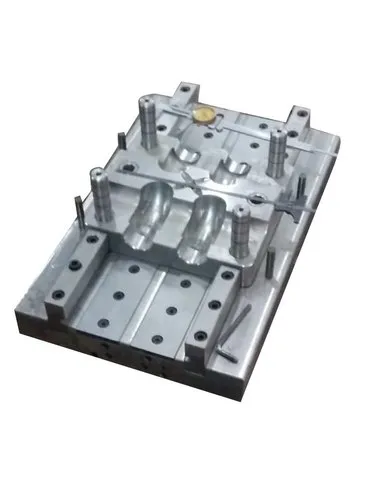
Plastic furniture moulds (chairs, tables, etc.)
Material dryers and loaders
Chillers and cooling towers
Scrap grinders and recycling units
Quality inspection tools
Automation can reduce labor cost and improve consistency.
6. Raw Materials
Commonly used plastics:
Polypropylene (PP) – lightweight and flexible
High-Density Polyethylene (HDPE) – strong and impact resistant
Recycled plastics (for cost reduction and sustainability)
Additives:
UV stabilizers
Color masterbatches
Impact modifiers
7. Mould Design and Development
High-precision steel moulds (P20, H13, or hardened steel)
Optimized cooling channels for faster cycle time
Ergonomic and stackable furniture designs
Textured surfaces for aesthetics and durability
Initial mould cost is high but critical for product quality and long mould life.
8. Manpower Requirements
Production engineers and machine operators
Mould maintenance technicians
Quality control inspectors
Packaging and logistics staff
Sales and marketing team
Skilled manpower ensures efficient production and reduced rejection rates.
9. Quality Control and Standards
Dimensional accuracy and load-bearing tests
Surface finish and color consistency checks
Compliance with safety and durability standards
UV and weather resistance testing for outdoor furniture
Consistent quality builds brand trust and repeat business.
10. Legal and Regulatory Requirements
Business registration (MSME, Pvt Ltd, etc.)
Factory license and pollution control clearance
GST registration
Compliance with BIS and local safety standards
Fire and labor law compliance
11. Cost and Investment Overview
Major cost components:
Land and building
Injection moulding machines
Furniture moulds
Raw materials
Power and utilities
Labor and working capital
Initial investment can range from medium to high, depending on scale and automation level.
12. Marketing and Sales Strategy
Dealer and distributor network
Online marketplaces and direct B2B sales
Institutional and bulk orders (schools, events, government)
Branding through durability, design, and pricing
After-sales support and warranty
13. Sustainability and Future Trends
Use of recycled and biodegradable plastics
Energy-efficient moulding machines
Lightweight and modular furniture designs
Smart and multifunctional plastic furniture
Sustainability improves brand image and regulatory compliance.
14. Challenges and Risk Management
High initial mould investment
Intense market competition
Fluctuating raw material prices
Power and machine downtime
Mitigation strategies include preventive maintenance, supplier diversification, and lean manufacturing.
15. Conclusion
Starting a business in plastic furniture moulding requires careful planning, technical expertise, and capital investment. With the right combination of quality moulds, efficient production, strong branding, and market understanding, it can become a highly profitable and scalable manufacturing venture.