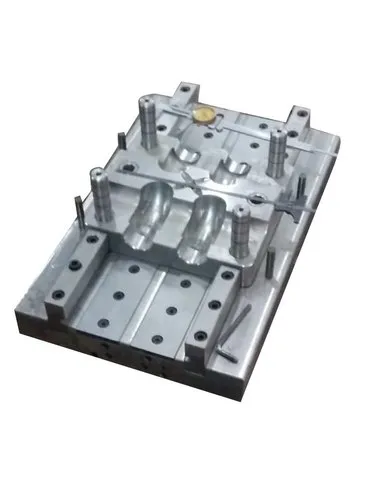
In an era of increasing environmental consciousness, the cosmetics industry is actively seeking sustainable solutions across its supply chain. One often overlooked but essential aspect is the material used for cosmetic moulds — the tools that shape everything from lipstick bullets to compact powders. As consumer demand for eco-friendly products grows, manufacturers are now exploring sustainable materials and practices for mould production to reduce their environmental footprint.
Why Sustainability in Moulds Matters
Cosmetic moulds are typically made from materials like steel, aluminum, or plastics due to their durability and precision. However, traditional materials and manufacturing processes can be energy-intensive, resource-heavy, and difficult to recycle. Adopting sustainable materials not only aligns with global environmental goals but also:
Reduces waste and emissions
Minimizes the use of non-renewable resources
Enhances brand reputation through responsible sourcing
Supports circular economy practices in cosmetics manufacturing
Types of Sustainable Materials Used
Recycled Metals (Aluminum, Steel)
Many mould manufacturers are now using recycled aluminum or stainless steel, which significantly reduces energy consumption and CO₂ emissions compared to virgin materials.
These metals retain their strength and precision, making them ideal for high-accuracy cosmetic components.
Biodegradable or Bio-based Plastics
Derived from renewable sources like corn starch or sugarcane, bio-based plastics such as PLA (polylactic acid) can serve as alternatives for short-cycle or prototype moulds.
Although they may not yet match traditional plastics in durability, ongoing innovations are closing this gap.
Composite and Hybrid Materials
New hybrid materials that blend natural fibers (like bamboo or hemp) with resins are being tested for their viability in non-load-bearing mould components.
These materials are often lighter and more eco-friendly.
Sustainable Coatings and Treatments
In addition to the base material, eco-friendly coatings (low-VOC or water-based finishes) are being applied to extend mould life and improve surface quality without toxic residues.
Technological Innovations Driving Change
3D Printing with Sustainable Filaments
Additive manufacturing using recyclable or bio-based filaments allows for rapid prototyping and design testing without generating excessive waste.Low-Waste Machining
New machining methods minimize material waste and enable reuse of scrap metal, improving the sustainability of traditional mould-making techniques.
Challenges and Considerations
Despite the benefits, integrating sustainable materials into cosmetic mould production comes with challenges:
Durability vs. Sustainability Trade-offs: Not all eco-friendly materials match the strength and heat resistance of traditional ones.
Cost Implications: Sustainable materials can be more expensive initially, although they often pay off through reduced waste and enhanced brand equity.
Industry Standards: Cosmetic moulds must meet strict safety and hygiene standards, which can limit the types of alternative materials that are viable.
Conclusion
The shift toward sustainable materials in cosmetic moulds is a promising step toward greener manufacturing in the beauty industry. By embracing recycled metals, bio-based plastics, and innovative production methods, companies can significantly reduce their environmental impact while maintaining product quality and performance. As technology evolves and sustainability becomes a core value, the adoption of eco-friendly mould materials will likely become the industry norm rather than the exception.