1. Introduction
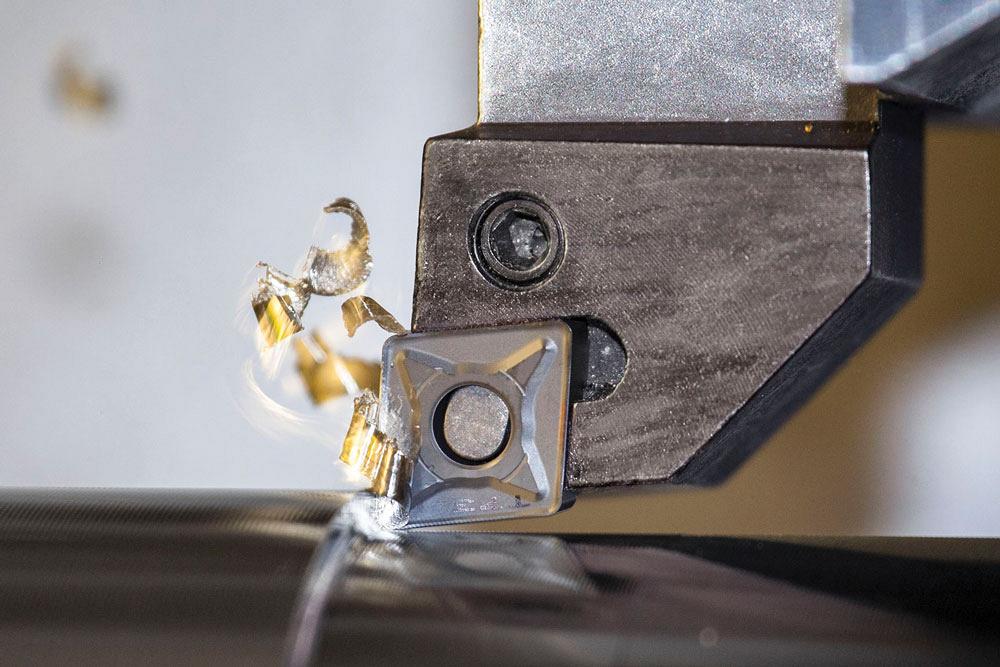
In manufacturing processes, cutting tools play a crucial role in shaping and finishing components. Over time, due to continuous operation and interaction with workpiece materials, these tools undergo wear. Tool wear is a gradual failure of a cutting tool due to mechanical, thermal, and chemical stresses. It significantly influences machining performance, production efficiency, and most importantly, the quality of the final product.
2. Types of Tool Wear
Tool wear can occur in various forms, including:
Flank Wear: Occurs on the tool’s flank face due to friction between the tool and the machined surface.
Crater Wear: Found on the rake face, caused by chip flow and high temperatures.
Notch Wear: Appears near the depth of cut line due to work hardening of the material.
Built-up Edge (BUE): Formation of a material layer on the cutting edge, affecting tool geometry and surface finish.
Chipping or Fracture: Sudden breakage of the tool edge due to mechanical shock or hard inclusions in the workpiece.
3. Causes of Tool Wear
High cutting speeds leading to elevated temperatures.
Inadequate cooling or lubrication.
Hard or abrasive workpiece materials.
Poor tool material selection.
Improper cutting parameters (feed rate, depth of cut, etc.).
4. Effects of Tool Wear on Product Quality
Tool wear directly affects several aspects of product quality:
a. Dimensional Accuracy
As the tool wears, its geometry changes, leading to deviations in part dimensions. This can result in components that are out of tolerance.
b. Surface Finish
Worn tools produce rougher surfaces due to increased friction and irregular cutting edges, degrading the surface quality of the machined part.
c. Geometrical Tolerances
Wear can lead to loss of sharpness and tool deflection, resulting in inaccuracies in form and position tolerances such as flatness, circularity, or perpendicularity.
d. Increased Cutting Forces
Tool wear increases cutting resistance, which can cause vibrations, affecting machining stability and leading to poor product consistency.
e. Burr Formation
Dull tools are more likely to cause burrs at the edges of components, requiring additional deburring operations.
f. Heat Generation and Workpiece Damage
Excessive wear increases friction and heat, potentially causing thermal damage to the workpiece surface, like burns or metallurgical changes.
5. Monitoring and Controlling Tool Wear
To maintain product quality, it is essential to monitor and control tool wear:
Tool life monitoring systems (sensors, wear maps, etc.)
Scheduled tool replacement based on life-cycle data
Use of wear-resistant tool materials (e.g., carbide, ceramic, coated tools)
Proper cutting parameters and use of coolants/lubricants
Adopting advanced machining techniques like high-speed machining or dry machining with coated tools
6. Conclusion
Tool wear is an inevitable aspect of machining operations, but its impact on product quality can be significant. By understanding the types, causes, and effects of tool wear, and implementing proactive monitoring and control strategies, manufacturers can ensure consistent product quality, reduce scrap rates, and optimize production efficiency.