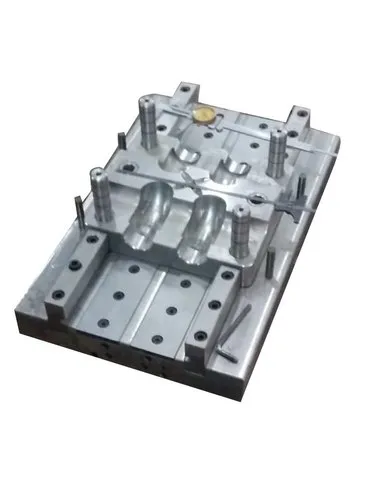
Plastic furniture mould production is a key part of the broader plastic moulding and tooling industry, driven by global demand for inexpensive, durable, and lightweight furniture. While detailed, mould-specific data (i.e., partitioning exactly “furniture moulds”) is harder to find in publicly available market reports, we can identify the leading countries in plastic mould production (which feeds, among other sectors, into plastic furniture manufacturing), and then connect that to furniture mould relevance.
Here are the top countries in plastic mould production — particularly those relevant for plastic furniture moulds — and why they are significant players.
Key Players in Plastic Mould Production (Relevant to Plastic Furniture)
China
Dominance in Capacity & Scale: China is the largest producer of plastic moulds globally. According to market reports, China has a very strong mould production capacity supported by its massive manufacturing infrastructure. Future Market Report+2Cognitive Market Research+2
Plastic Furniture Export Leader: China is also the top exporter of plastic furniture. In 2021, 46.8% of global plastic furniture exports came from China. Plexconcil
Tooling Hubs: Regions like Huangyan in Taizhou, China, are especially important for precision mould manufacturing — including moulds used for consumer goods. Wikipedia
India
Rapid Growth in Moulding Market: India is a growing force in plastic mould manufacturing. According to market research, the plastic mould market in India is expected to grow at a high CAGR, driven in part by increasing adoption of advanced manufacturing technologies. Cognitive Market Research
Exports & Domestic Manufacturing: India exports a substantial volume of plastic moulded products, including furniture components. As per reports, India exports to more than 200 countries. jyotiglobalplast.com
Injection Moulding Supplier: According to trade data, India ranks among the top injection moulding exporting countries. Volza
Japan
Market Share in Mould Production: Japan is another key contributor to the global plastic mould market. Market forecasts suggest a strong presence in high-precision moulds. Cognitive Market Research
Established Tooling Industry: Japanese mould makers are known for precision, quality, and technological sophistication — traits that are valuable in furniture moulds, especially complex or multi-component designs.
Germany / Italy (Europe)
European Mould Manufacturing Strength: Europe is home to many high-precision mould producers. In particular, Germany and Italy are significant in the mould tooling business. Future Market Report+1
Mould Suppliers for Furniture Industry: European mould makers often produce high-quality moulds used for consumer goods, including plastic furniture — especially for premium and design-focused markets. For example, Italy’s mould makers are known for producing injection moulds for “household and furnishings” products. Productmkr+1
Export Infrastructure: According to European mould-tool market data, Italy has several major producers of injection moulds. CBI
South Korea / Other East Asian Countries
While China is clearly leading, other East Asian countries like South Korea also contribute meaningfully to the mould market because of their advanced manufacturing capabilities and demand for precision moulds. Stats And Research
These countries benefit from well-developed industrial bases and often serve both domestic furniture-manufacturing companies and export markets.
United States (North America)
High-Technology Moulding: The U.S. remains significant in high-precision, high-complexity moulding, especially for engineered plastics and specialty products. Its mould market is mature and technologically advanced. Dataintelo
Although its share in mass-production moulding (like low-cost furniture) may be smaller compared to Asia, the U.S. plays a key role in R&D, innovation, and premium mould production.
Why These Countries Lead in Plastic Furniture Mould Production
Economies of Scale: Countries like China and India benefit from large-scale manufacturing infrastructure, which lowers costs per mould and makes them competitive in high-volume furniture mould production.
Skilled Tooling Workforce: Germany, Italy, and Japan have deep expertise in mould design, precision tooling, and quality control — essential for complex or high-quality furniture moulds.
Export-Oriented Manufacturing: Many of these leading countries not only serve their domestic furniture markets but also export moulded furniture or moulds themselves. For instance, China’s dominance in plastic furniture exports underscores its mould production strength. Plexconcil
Technological Investment: Advanced economies invest heavily in automation, mould design software (CAD/CAM), and high-end injection moulding machinery, enabling them to produce sophisticated moulds.
Cost and Efficiency: Lower labor and overhead costs in countries like China and India make mould production for plastic furniture very cost-efficient, especially for standard designs.
Challenges and Trends
Rising Labor Costs: In traditionally low-cost countries, rising wages may raise the cost of mould production, pushing some low-end moulding to other emerging economies.
Sustainability Pressure: There is increasing demand for recyclable plastics and sustainable manufacturing, which may influence where and how moulds are produced.
Automation & Tech Adoption: To remain competitive, moulding shops (including those making furniture moulds) are investing in automation and digital mould design tools.
Geopolitical Risks: Trade policies, tariffs, and supply chain disruptions may affect global mould production and sourcing strategies.
Conclusion
The top countries in plastic furniture mould production are largely overlapping with the leading nations in the broader plastic mould market — especially China, India, Japan, Germany, and Italy.
China is the standout leader thanks to its scale, cost-efficiency, and dominance in plastic furniture exports.
India is a rising star, growing its moulding capabilities rapidly.
European countries contribute via high-precision, high-quality moulds that often cater to premium furniture markets.
Understanding these country-level strengths helps stakeholders (like moulding companies, furniture manufacturers, and investors) make strategic decisions — whether it’s about where to source moulds, where to set up production, or which regions to target for furniture exports.